Kings Plains
- Acquired:
- 2013
- Area:
- 68,000 ha
- Bioregion:
- Einasleigh uplands, Cape York
- Habitat:
- Wetland, grassland, tropical savanna, gallery rainforest, semi-deciduous vine thicket, limestone rainforest
- Threatened Ecological Communities:
- 9
- Threatened and Near-Threatened Species:
- 8
Reserve overview
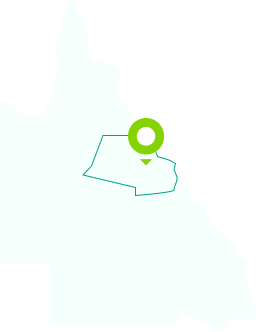
Kings Plains is a spectacular 68, 000 ha property around fifty kilometres southwest of Cooktown.
The property was bought in 2013 to protect its highly diverse ecosystems after a period of heavy overgrazing leading to weed invasion, erosion, and significant decline in its environmental values. Removing cattle, reducing the frequency of fire, and letting nature begin its repair processes has seen a very significant improvement in its values.
Kings Plains also has a remarkable diversity of geological and geomorphological features. These include an outstanding example of river capture with Kings Plains Lake and the Plains below it marking the ancestral bed of the Annan River when it was a west flowing tributary of the Normanby.
protecting wildlife, sustaining life
Species and Habitats
Kings Plains lies at the intersection of three bioregions: the Wet Tropics, Einasleigh Uplands and Cape York bioregions and provides a major link between the Wet Tropics and Cape York bioregions.
The property features an incredible diversity of wetland, woodland, and rainforest ecosystems, many of which are of significant conservation concern, and which are poorly represented in the public reserve system.
In particular, the semi-deciduous mesophyll vine forest along the Normanby River has been reported as one of the most diverse and conservation important rainforest areas on Cape York.
Not only is it a key corridor for species that make north-south migrations along the Cape, but it has particularly high densities of both Indo-Malaysian and Gondwanan rainforest flora.
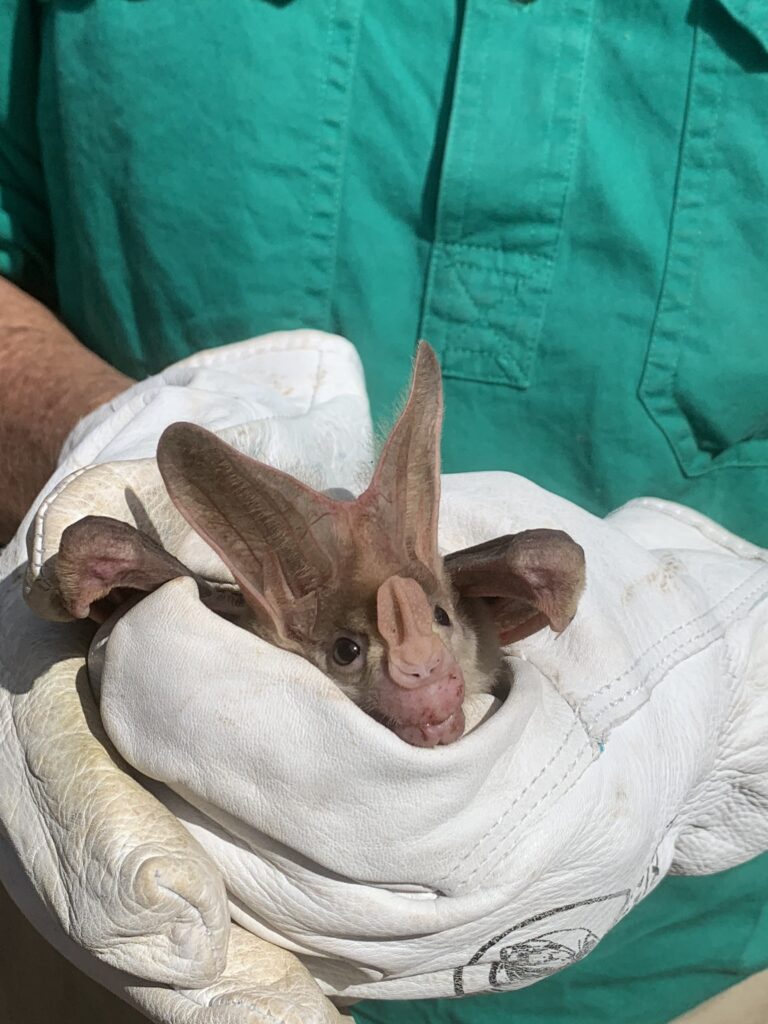
The limestone karst areas provide critical habitat for a wide range of bat species, including five endangered or threatened species. The caves support at least one large maternity colony of the iconic Ghost Bat as well as several roosting caves for the Australian Swiftlet, the only Australian bird that can fly in total darkness with the aid of bat like echolocation. The limestone areas also support a unique assemblage of rainforest plants.
The creek lines in the southeast of the property have quite large areas of gallery rainforest which, from time to time, are used by Bennetts Tree Kangaroo.
Conservation Highlights
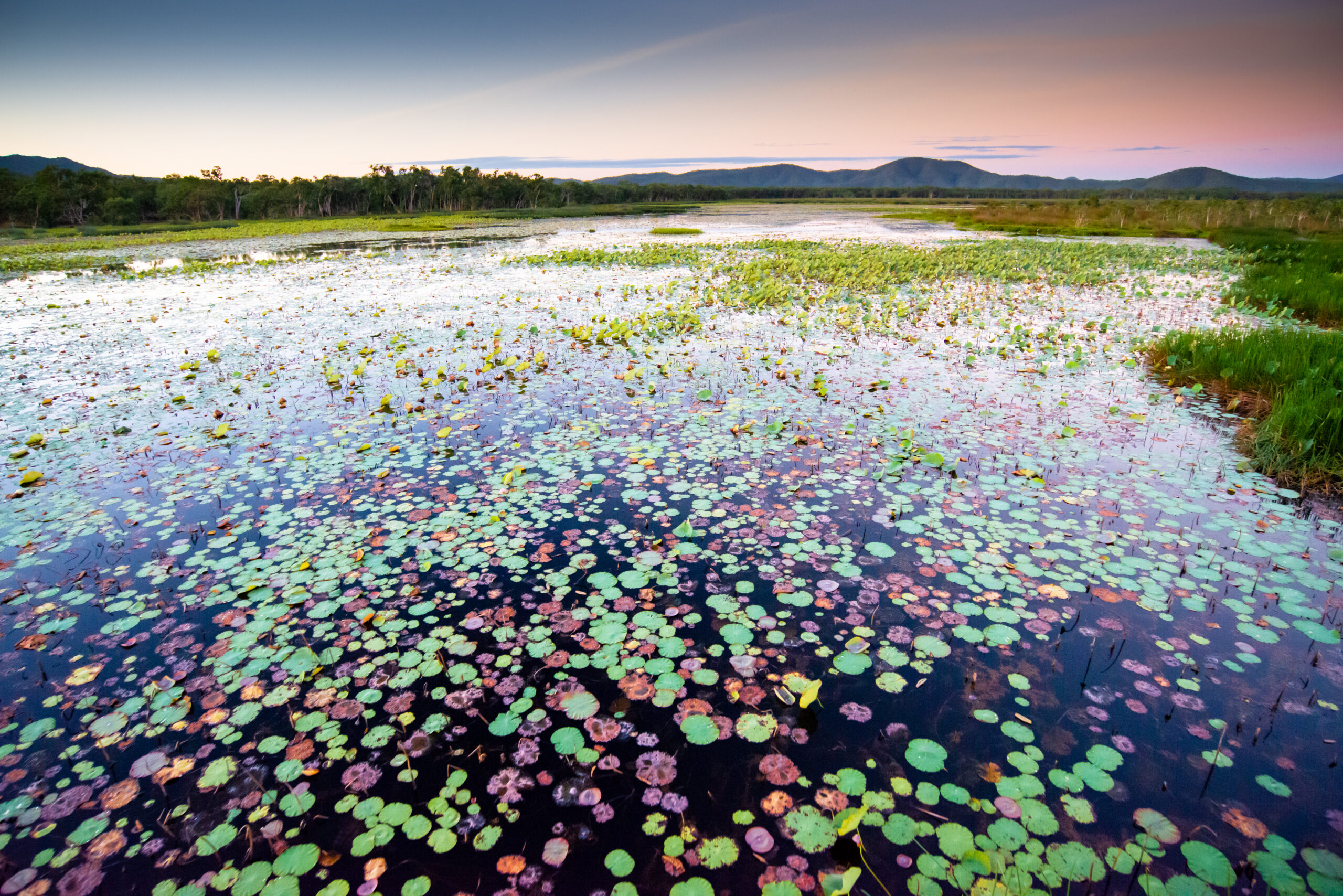
Geological tilting and warping of the landscape resulted in the upper reaches of the Annan being captured by an east flowing stream, leaving behind a unique stranded system of lakes, swamps and river channels. The most striking visual feature of this wetland complex is Kings Plains Lake, a very large permanent wetland which has a complex mosaic of open water, spectacular large areas of lotus lilies, giant water lilies and very extensive reed beds. The Plains downstream of the Lake are often covered by large numbers of Brolgas accompanied by a panoply of other birds including Red-tailed Black Cockatoos, Black-necked Storks, and Bustards.
Towards the northern end of the reserve there is a remarkable extensive area of granite boulder fields with associated springs and rainforest communities.
Kings Plains also includes the remains of two fossilized coral atolls from around 375 million years ago. These two limestone areas contain the most northerly caves on Cape York.