Mt Gibson
- Acquired:
- 2021
- Area:
- 34,500 ha
- Bioregion:
- Einasleigh uplands, Wet tropics
- Habitat:
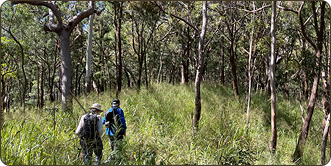
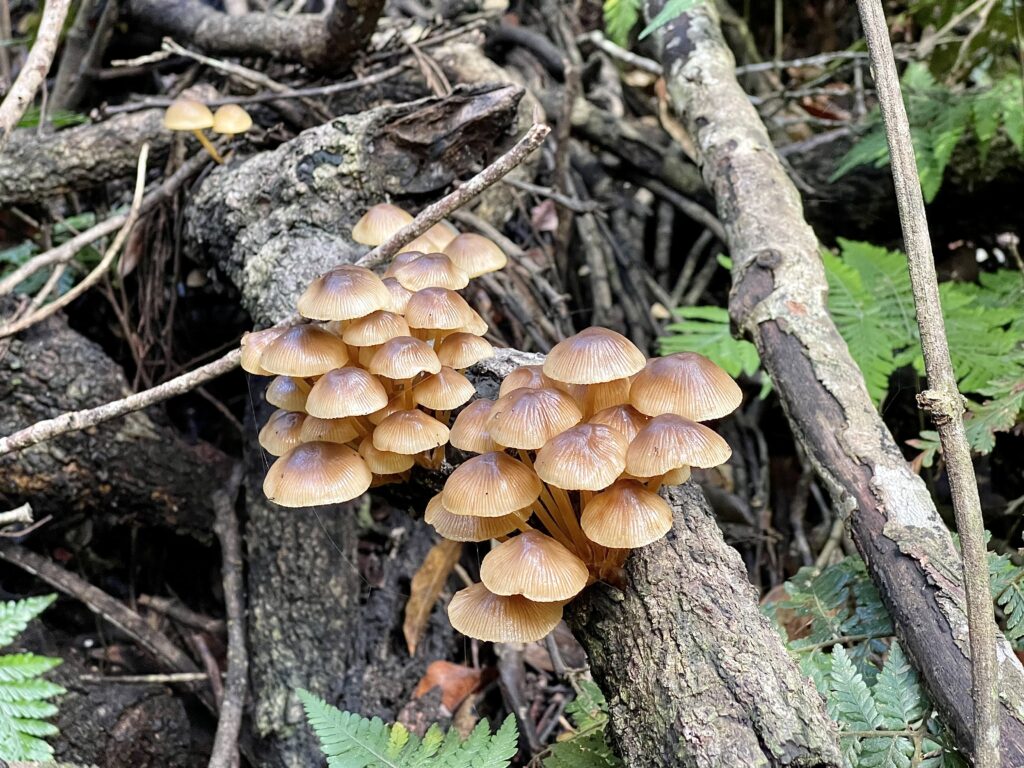
- The Einasleigh Uplands support a highly diverse range of habitats, from tropical rainforest and wet and dry sclerophyll forests to savanna woodlands and open grassy basalt plains.
- Threatened Ecological Communities:
- 17
- Threatened and Near-Threatened Species:
- 26
Reserve Overview
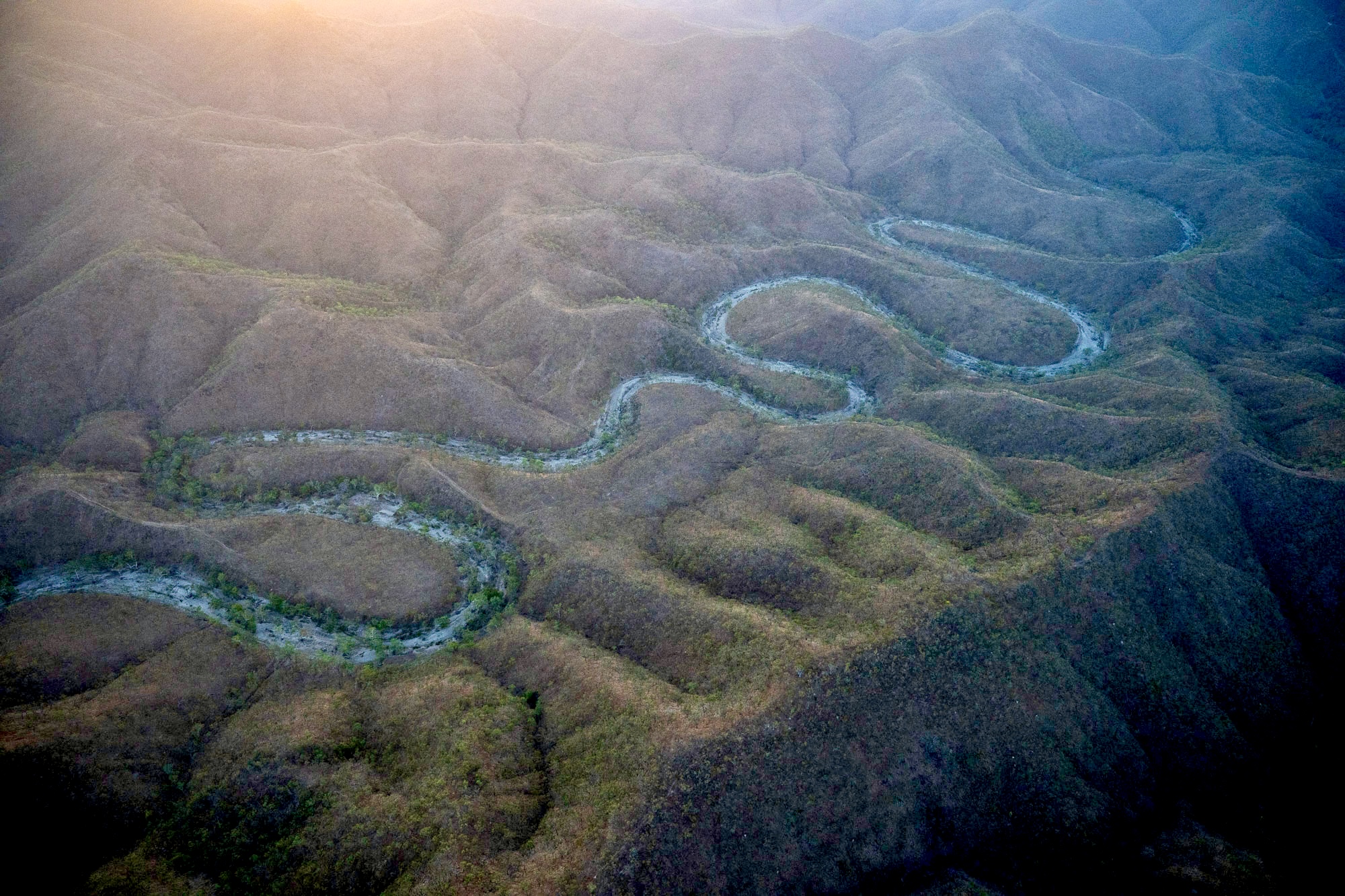
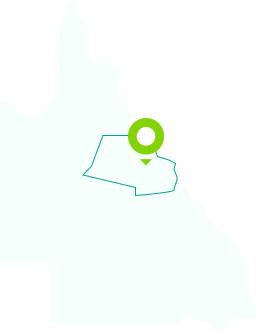
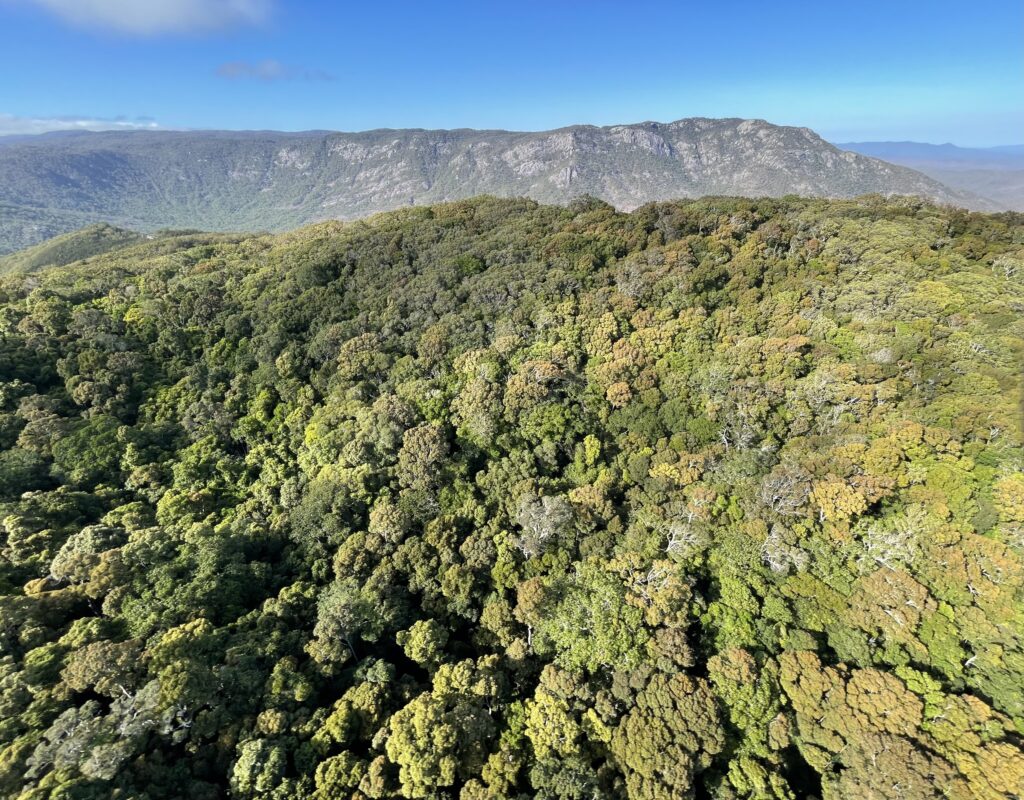
Mt Gibson is a spectacular 34,500 ha property about 50 km west of Cape Tribulation. Straddling the boundary of the Wet Tropics and Einasleigh Uplands bioregions, it spans a dramatic altitudinal range—from 1,230 to 180 metres—and encompasses the entire upper catchment of the West Normanby River, resulting in remarkable biodiversity.
Mt Gibson was acquired with the assistance of philanthropic partners. South Endeavour gratefully acknowledges the Wyss Foundation for its support in securing this reserve for long‑term conservation
protecting wildlife, sustaining life
Species and Habitats
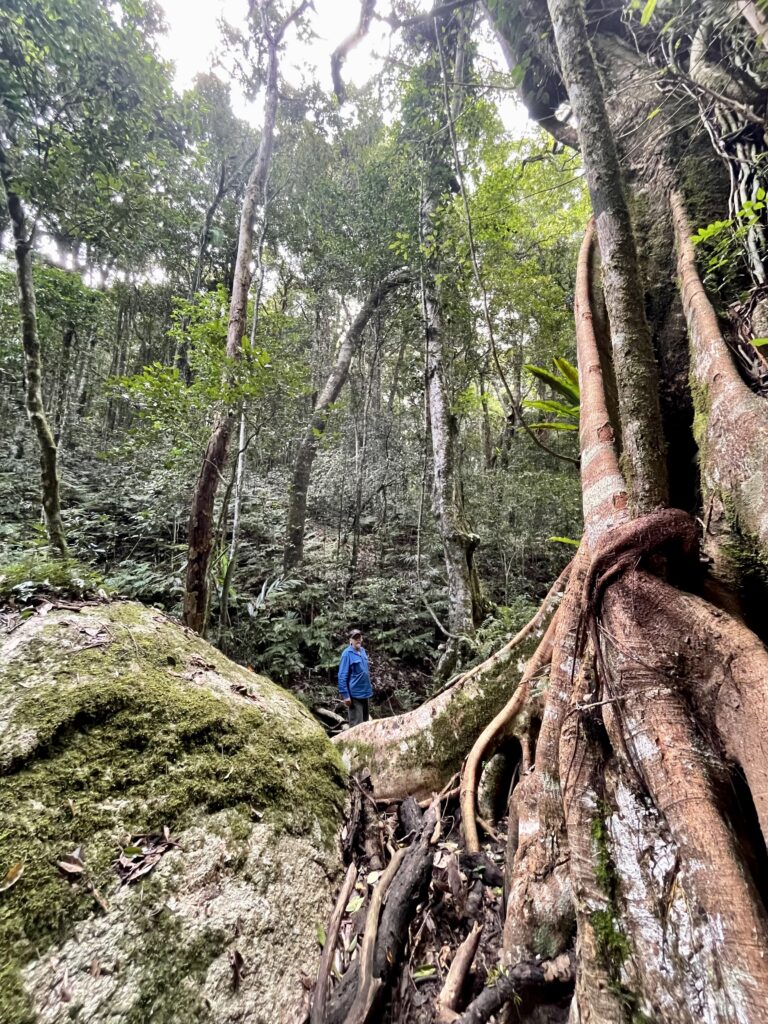
The eastern edge of Mt Gibson is marked by remote, cloud-shrouded granite peaks and plateaus—rarely explored and never logged due to their inaccessibility. These highlands protect unique rainforest pockets, including the Lost World, a rainforest-topped plateau, and Mt Amy, known for its tall palm forests and diverse wet forest types amidst an otherwise dry savanna landscape.
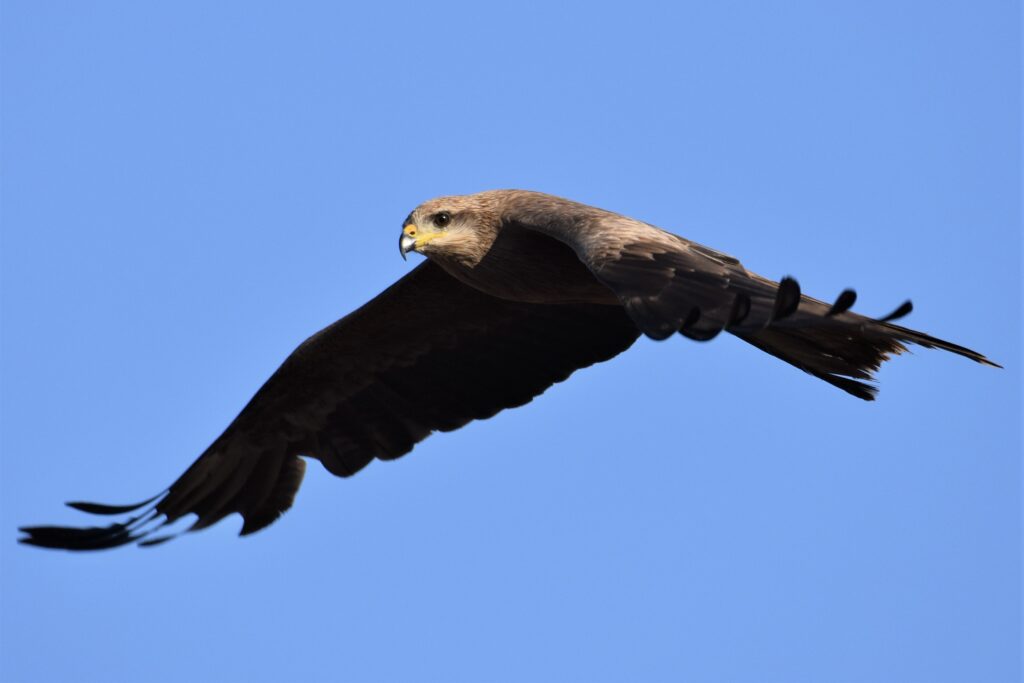
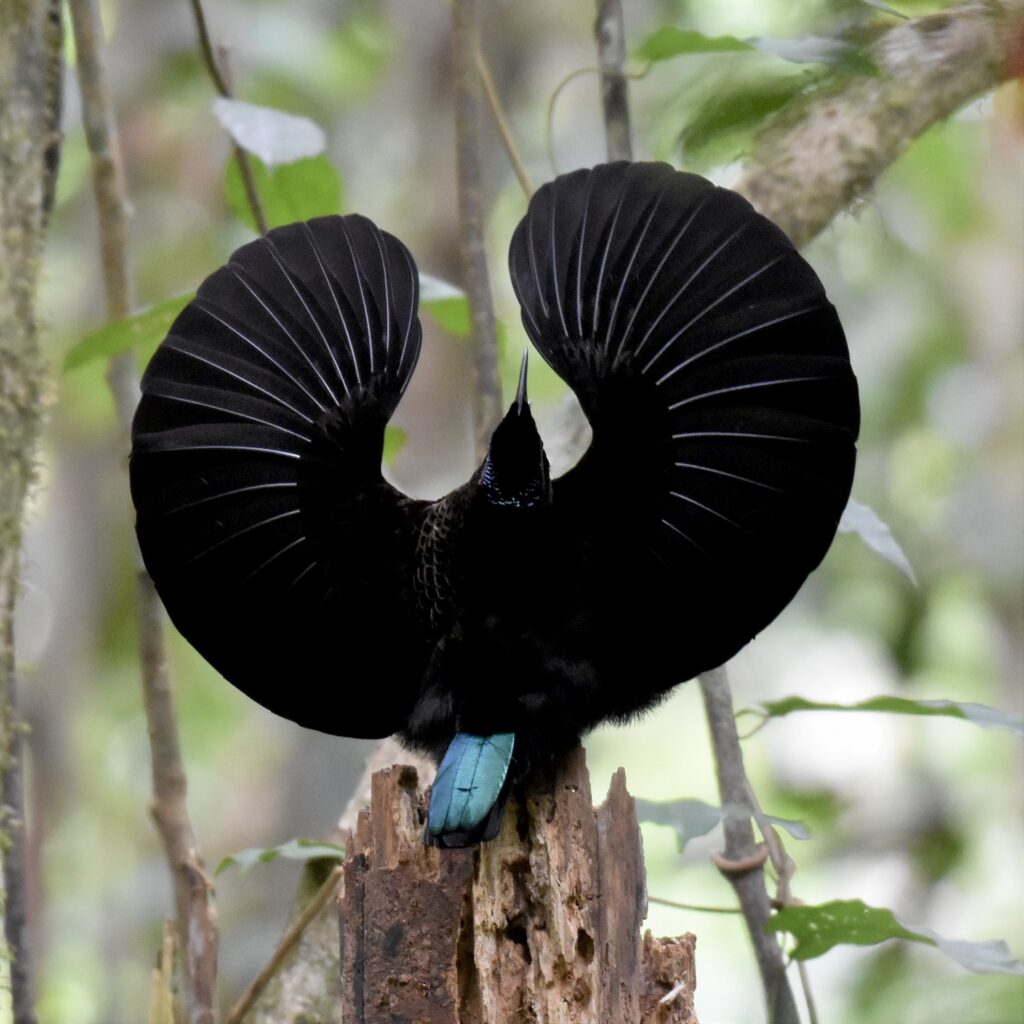
Mt Gibson’s fauna has never been formally surveyed, and we are only beginning to uncover its ecological richness. Recent discoveries include the endangered Northern Quoll, the threatened Black-footed Tree-rat, and a previously unknown colony of Ghost Bats. In the south, the reserve rises into the northwestern corner of the Windsor Tableland, home to the northernmost populations of endangered species such as the Yellow-bellied Glider, Greater Glider, and Spotted-tail Quoll. These forests once also supported the endangered Northern Bettong.
Conservation Highlights
The reserve protects 29 regional ecosystems, 17 of which are endangered or of concern. Four have little or no representation in other protected areas in Queensland. These ecosystems range from high-altitude rainforest and towering wet sclerophyll forests to low, windswept granite scrublands.