
Our
Reserves
Protecting Land. Linking Landscapes.
Endeavour Conservation currently owns and protects a growing network of 22 conservation reserves across Queensland and New South Wales. Each property is carefully selected for its ecological value — from tropical rainforests and dry woodlands to floodplains and alpine ecosystems.
Our reserves protect critical habitat, support endangered species, and help restore ecological connectivity across diverse bioregions.
Cape York
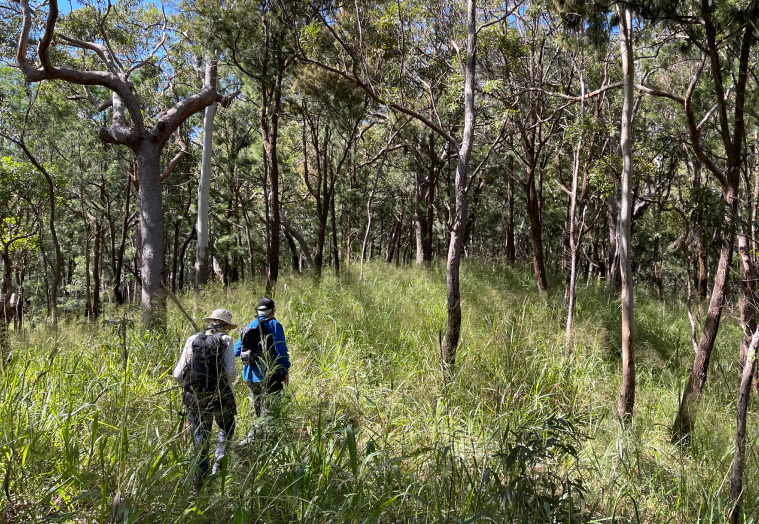
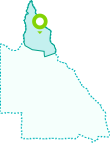
Vast tropical savannas and rainforest systems span this northernmost region of Queensland. Cape York is home to an extraordinary mix of species found nowhere else on Earth. The landscape ranges from rugged sandstone escarpments to seasonal wetlands and monsoon forests. This collection of habitats is now recognised and preserved for its global environmental significance.
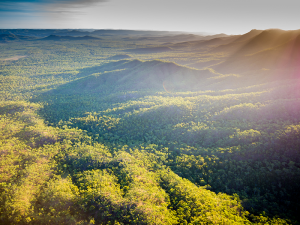
Alkoomie is an incredibly rugged 18 400 hectares cattle station, around 20 km to the west of Cooktown.
Learn more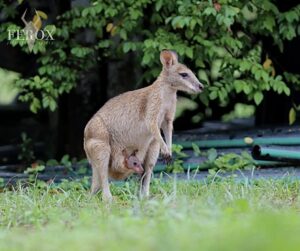
Caloola Station is an 18 100 hectare property just 10km to the southwest of Cooktown on Cape York Peninsula.
Learn more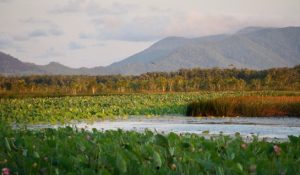
Kings Plains is a spectacular 68 000 hectare former cattle property around fifty kilometers southwest of Cooktown.
Learn more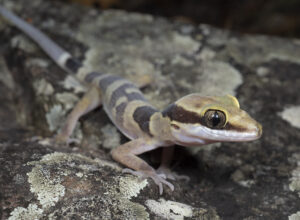
Oakey Scrub is a small 62 hectare reserve on a Oakey Creek just to the west of Cooktown on Cape York Peninsula.
Learn more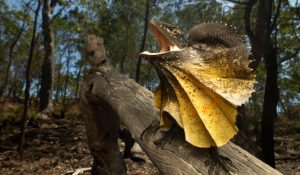
South Endeavour Nature Refuge covers almost 7000 hectares of highly diverse savannah woodland and rainforest pockets.
Learn more Wet Tropics
The Wet Tropics of Queensland World Heritage Site consists of approximately 8 940 km² of Australian wet tropical forests growing along the north-east Queensland portion of the Great Dividing Range. The Wet Tropics of Queensland meets all four of the criteria for natural heritage for selection as a World Heritage Site.
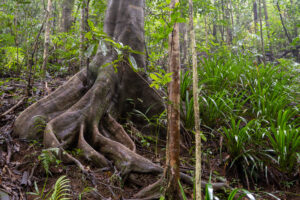
Cassowary Crossing is one of two properties absolutely key to creating what has been recognised as a state and nationally significant wildlife corridor at East Evelyn Gap.
Learn more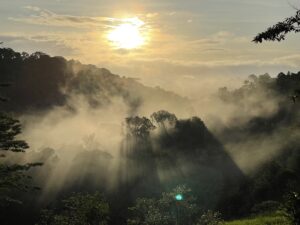
Cloudland Nature Refuge is an 80 hectare property situated on the Atherton Tablelands near our Carabeen Creek reserve in Far North Queensland.
Learn more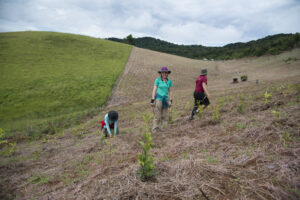
Dirrans End is an 80 hectare property directly adjoining the Herberton Range National Park section of the Wet Tropics World Heritage Area.
Learn more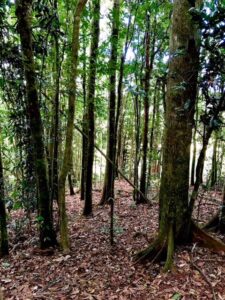
Freemans Forest Nature Refuge provides a critical link in the wildlife corridor joining the World Heritage in Far North Queensland.
Learn more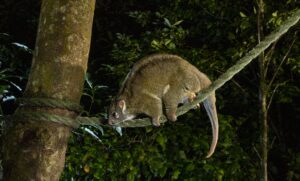
Lemuroid Leap consists of two properties totalling around 90 hectares on the Atherton Tablelands.
Learn more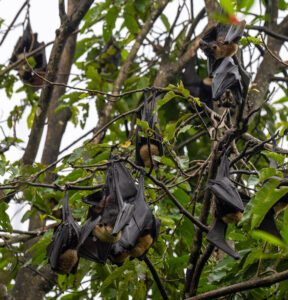
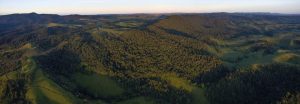
Misty Mountain occupies a critical position in a nationally significant wildlife corridor on the Atherton Tablelands.
Learn more Einasleigh Uplands
The Einasleigh Uplands is an interim Australian bioregion, with vegetation consisting of savanna and woodland located on a large plateau in inland Queensland, Australia. It corresponds to the Einasleigh Uplands savanna ecoregion, as identified by the World Wildlife Fund.
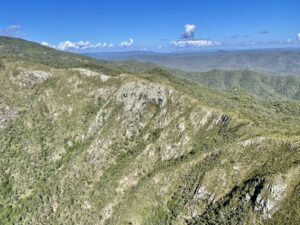
Mt Gibson is a spectacular 34,500-hectare property located approximately 50km west of Cape Tribulation and the North Daintree coast.
Learn moreNew South Wales
North Coast
Stretching along the eastern seaboard, the North Coast bioregion is home to subtropical rainforests, coastal wetlands, and eucalypt woodlands. The region supports some of the highest biodiversity in New South Wales. Its mild climate and fertile soils create ideal conditions for many rare and threatened species. These landscapes are under pressure from development, making conservation vital.
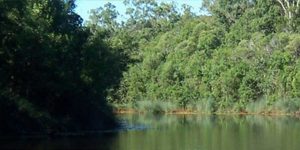
Kewilpa is an iconic 832 hectare property in the Bungawalbin area of northeastern NSW near Casino.
Learn more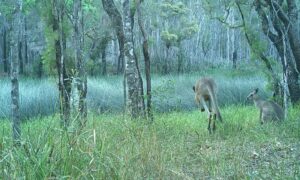
Myrtle Creek is a 150ha reserve in the Bungawalbin swamp area on the NSW North Coast around 55km north north east of Grafton.
Learn moreGreat Divide
Running along the eastern backbone of New South Wales, the Great Dividing Range encompasses highlands, escarpments, and plateaus. This region features diverse forest types, from dry sclerophyll to cool temperate rainforest. It provides key water catchments and refuges for many species affected by climate change. The rugged terrain offers a mosaic of microclimates and ecological niches.
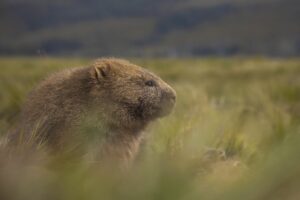
Bezzants Lease is a 2,535ha property located approximately 12km east of the township of Deepwater and almost on the crest of the Great Divide in Northern NSW.
Learn moreNorth West Slopes
Located inland from the Great Divide, this bioregion features undulating slopes, open forests, and grassy woodlands. It’s an important agricultural area, but also hosts remnant vegetation crucial for native species. The region is a stronghold for woodland birds and marsupials. Habitat protection here is key to preventing further biodiversity loss.
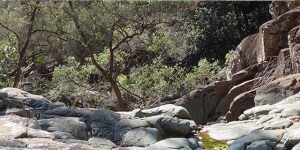
Motherumbah is a 1,150 hectare property near Bingara. It sits within the Nandewah Bioregion on the northwest slopes of NSW.
Learn more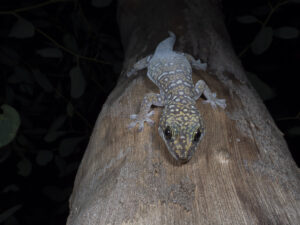
Rockview is a 1,957 hectare wilderness property near Inverell in northern NSW.
Learn more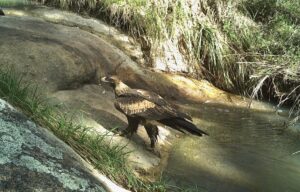
The Springs is a 350 hectare reserve on the NSW northwestern slopes.
Learn moreSnowy Mountains
The Snowy Mountains cover a variety of climatic regions which support several distinct ecosystems. The alpine area above the tree line is one of the most fragile and covers the smallest area. This area is a patchwork of alpine heaths, herbfields, feldmarks, bogs and fens.
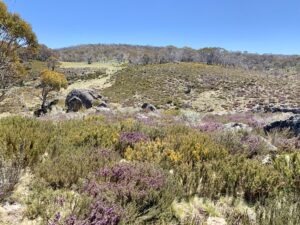
Crooks Racecourse, 558ha, is one of the highest privately owned acreages in Australia.
Learn moreMulga Lands
The Mulga Lands bioregion is characterised by flat to undulating plains with strips of low hills. The dominant vegetation types are mulga and eucalypt woodlands. The alluvial floodplains of the Warrego River run through the middle in a widening northto-south wedge.
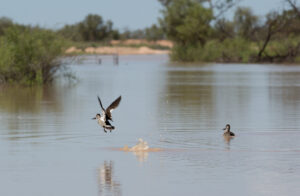
Endeavour Conservation purchased Yantabulla early in 2015 to protect its nationally significant water bird breeding areas and to build on the great work done by Bush Heritage on its neighbouring reserve, Naree.
Learn moreHow you can help.
Every dollar helps us protect some of the largest remaining populations of iconic Australian habitat and its species.