Misty Mountains
Where we work / Wet Tropics / Misty Mountain
- Acquired:
- 2017
- Area:
- 120 ha
- Bioregion:
- Wet Tropics
- Habitat:
- Endangered rainforest on basalt of the cloudy wet uplands
- Threatened Ecological Communities:
- 1
- Threatened and Near-Threatened Species:
- 25
Reserve overview
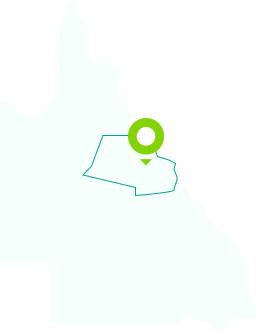
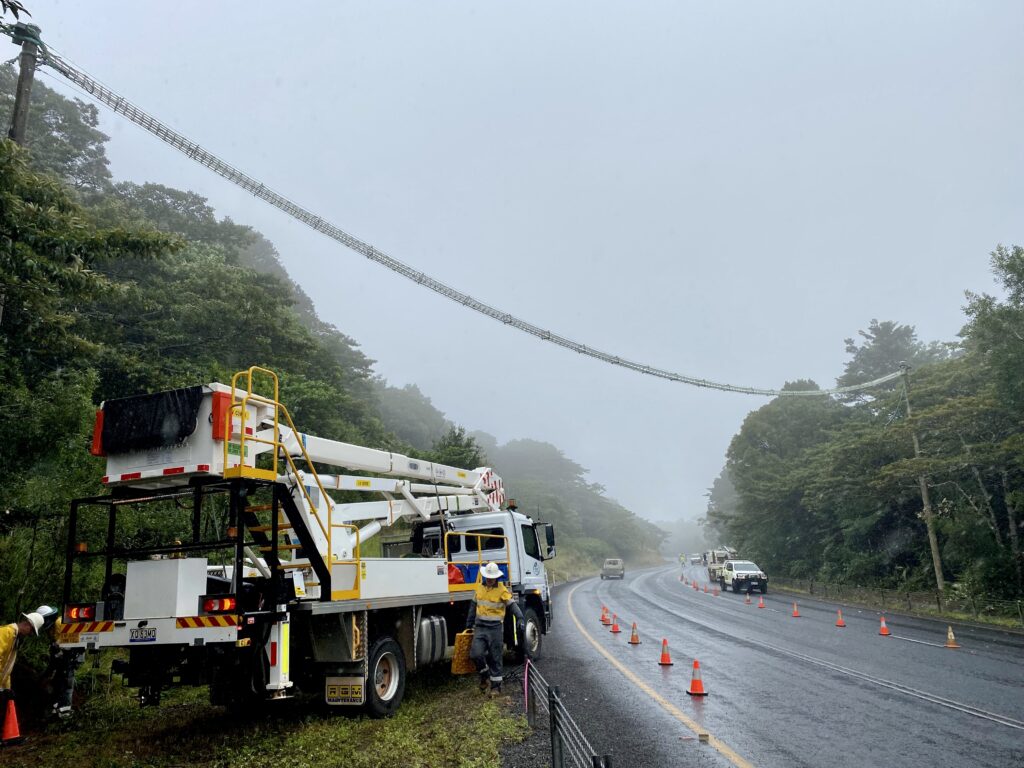
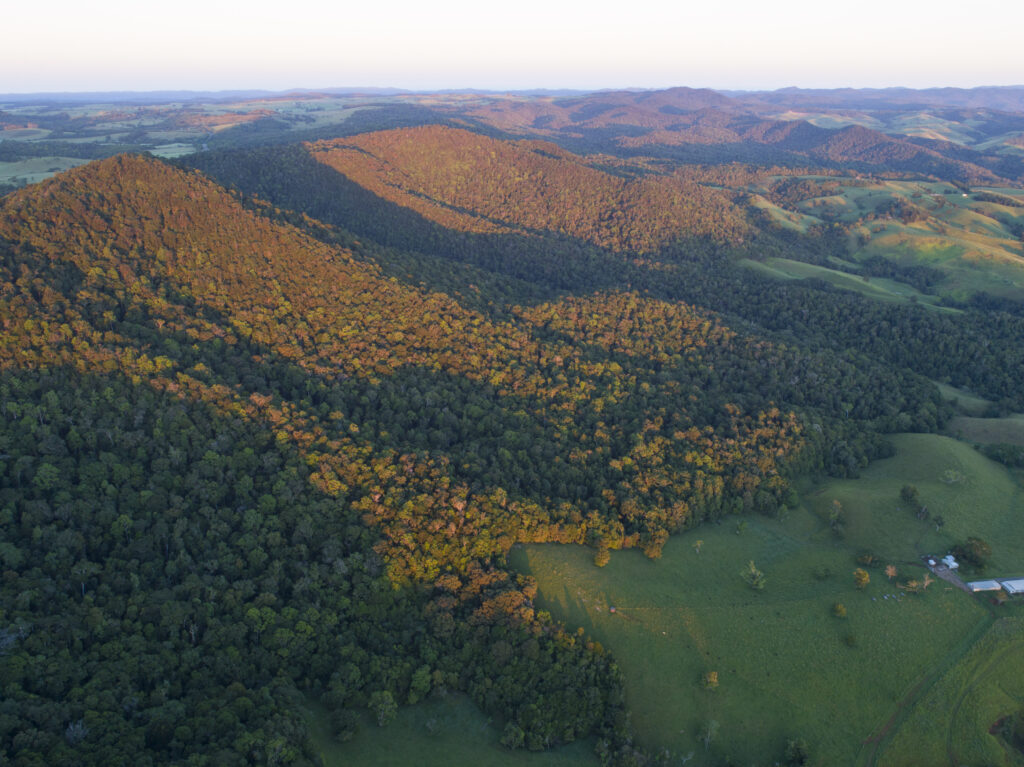
Misty Mountain occupies a key position in a nationally significant wildlife corridor on the Atherton Tablelands. Together with our neighbouring Cassowary Crossing Reserve, it connects the high-altitude rainforests of the Herberton Range to the Maalan section of the Wet Tropics World Heritage Area and on to the coastal lowland rainforests. Without it, these major rainforest blocks would remain permanently fragmented.
The purchase of Misty Mountain was generously supported by the Rainforest Trust, recognising the corridor’s critical role in protecting endangered and near-threatened species. We’ve since expanded the reserve twice to include additional privately owned rainforest, further strengthening the corridor. The second expansion, Cheelonga Cloud Forest, was supported by the Gondwana Rainforest Trust (www.gondwanarainforesttrust.org).
protecting wildlife, sustaining life
Species and Habitats
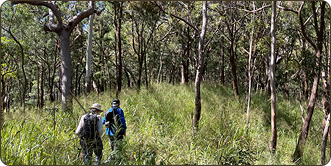
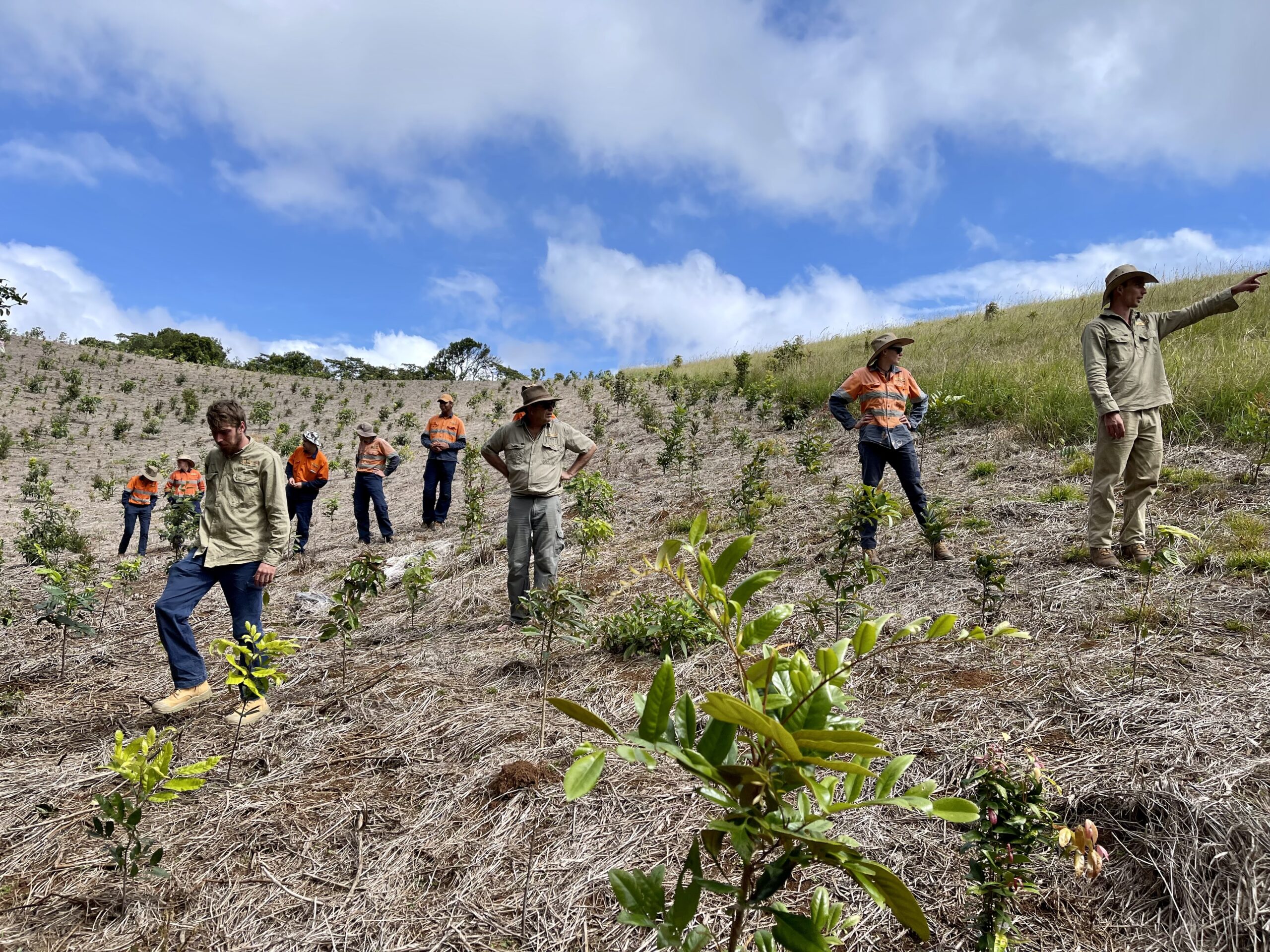
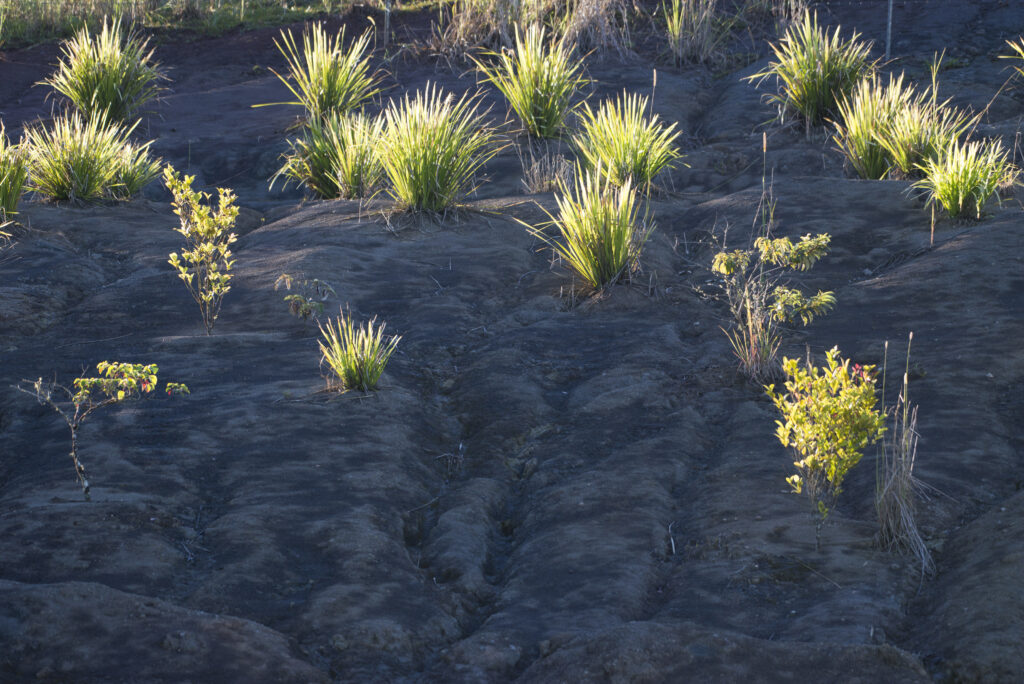
Misty Mountain supports two rainforest regional ecosystems: endangered notophyll vine forest on rich basalt soils, and complex vine forest on granites and rhyolites at higher elevations. The basalt-based forest had previously been cleared, but much has since regenerated into 30–40-year-old rainforest. Under Queensland law, such regrowth could have been cleared again without a permit—threatening decades of natural recovery and the viability of the corridor. Our 2017 purchase of the reserve removed that risk.
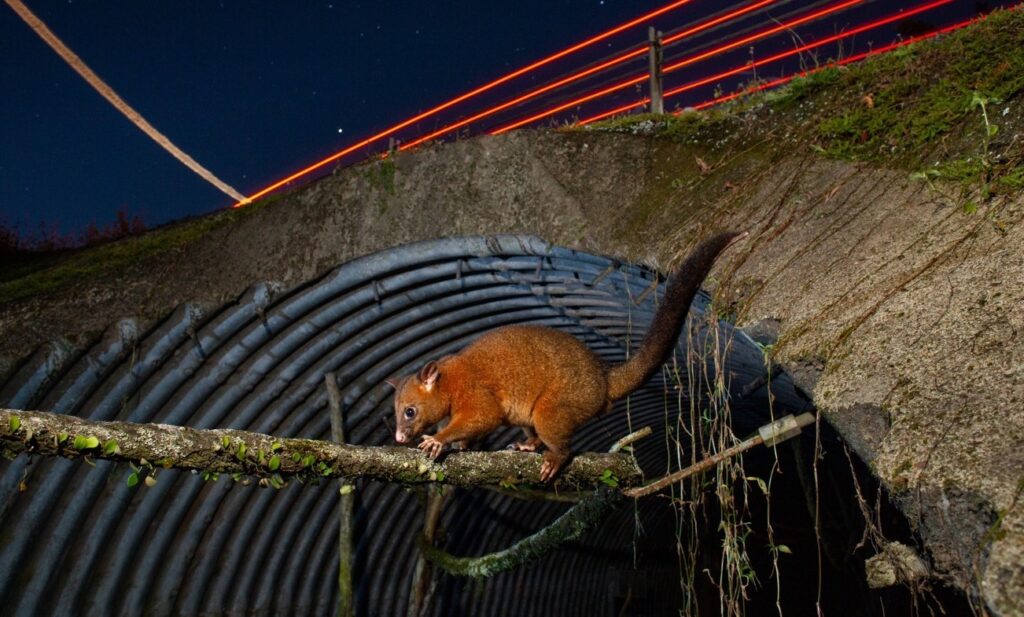
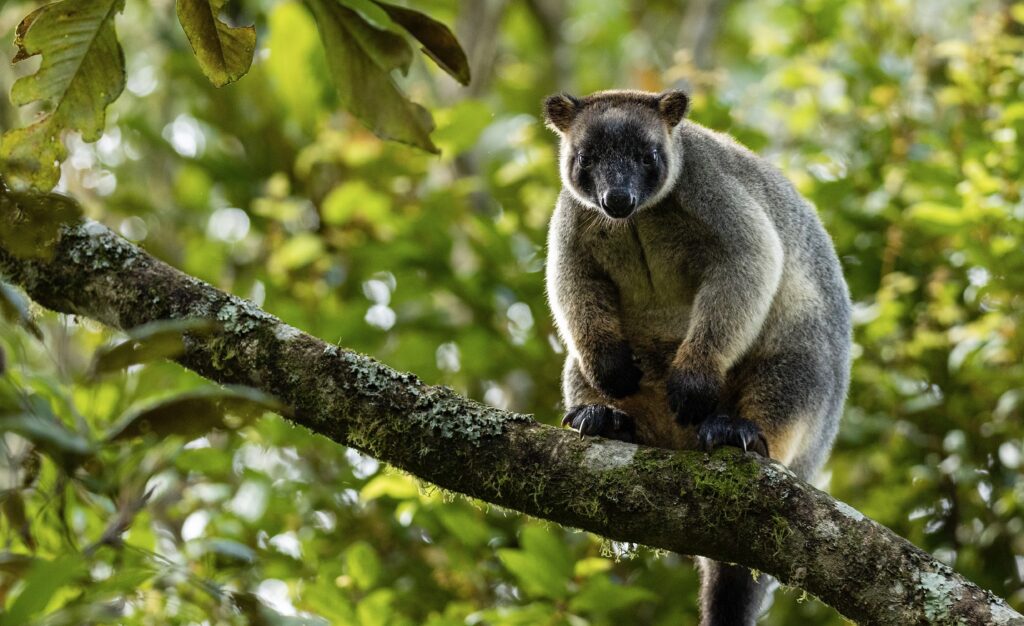
This corridor is especially important for the nationally endangered Cassowary and Lumholtz’s Tree-Kangaroo, as well as arboreal mammals like the critically endangered Lemuroid Ringtail Possum.
Conservation Highlights
Wildlife corridors like this are vital as climate change threatens the long-term integrity of the Wet Tropics World Heritage Area. In a fragmented landscape, species such as Lumholtz’s Tree-Kangaroo and the Lemuroid and Green Ringtail Possums—restricted to the cooler highlands—depend on these connections for survival.