Alkoomie
- Acquired:
- 2014
- Area:
- 18,400 ha
- Bioregion:
- Cape York
- Habitat:
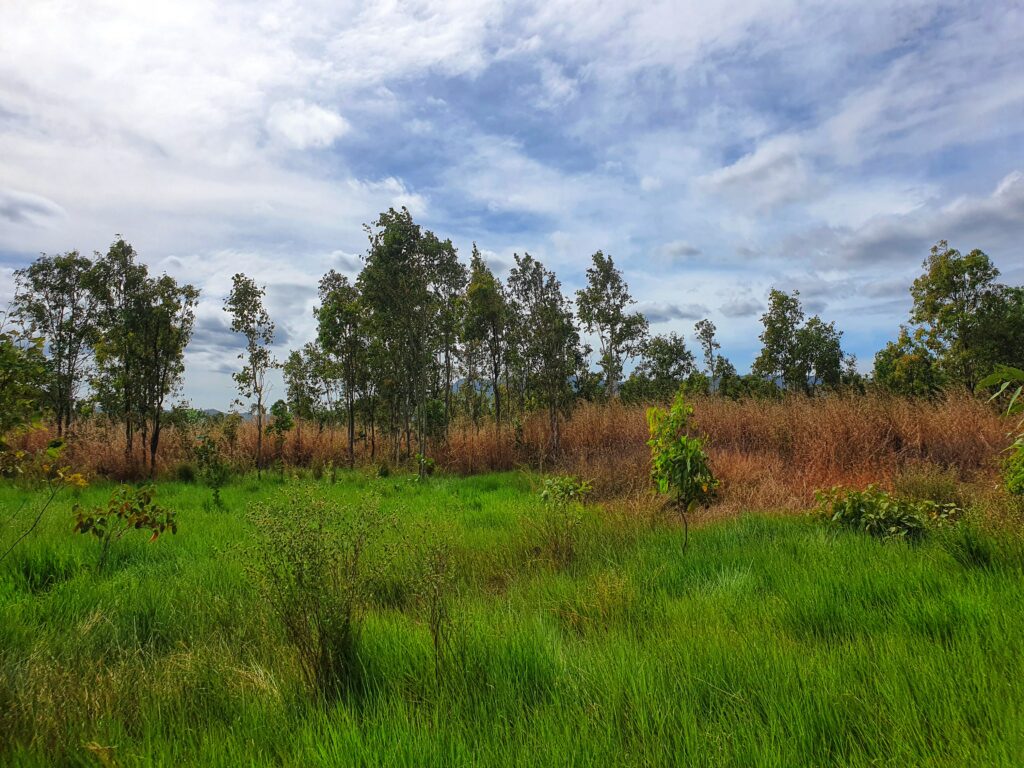
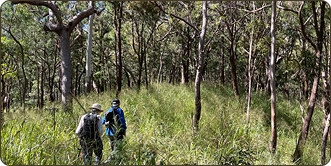
- Tropical savanna, tropical heathland, gallery rainforest, tropical rainforest, groundwater dependent ecosystems
- Threatened Ecological Communities:
- 7
- Threatened and Near-Threatened Species:
- 16
Reserve Overview
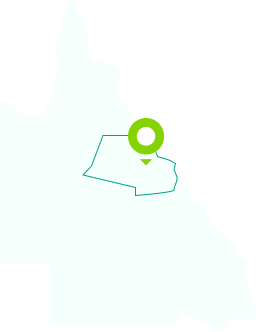
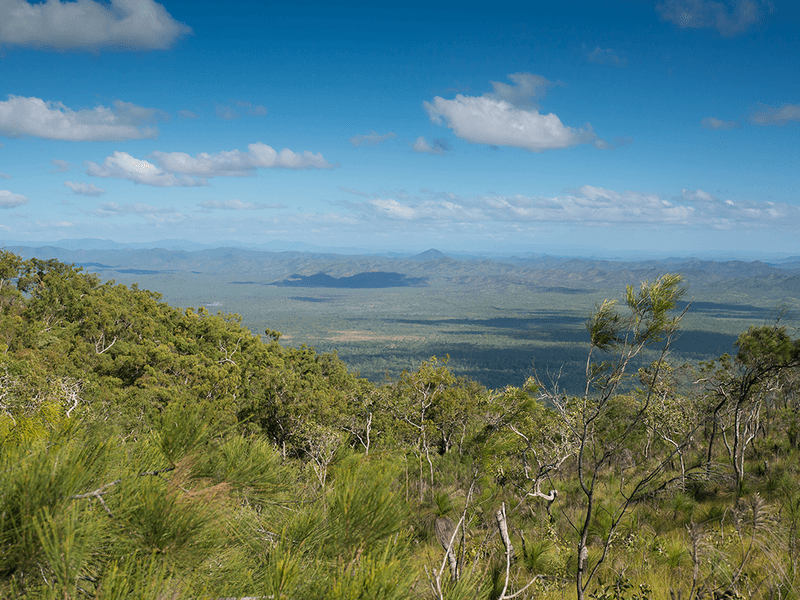
Alkoomie is an incredibly rugged 18 400-hectare former cattle station, located around 20 km to the west of Cooktown.
It runs from the valley of the South Branch of the Endeavour River, up over the towering sandstone escarpments of the 480m high Dickson Range, down across the valley of Oaky Creek, up over the Lookout Range and on to the crest of the Barrons Range in the south.
Two of the original pack horse routes to the Palmer River Goldfields pass through Alkoomie and occasional remnants of these are found. Back in the nineteenth century tens of thousands walked these tracks in the hope of making their fortunes on the gold fields.
PROtecting wildlife, sustaining life
Species and Habitats
Alkoomie is situated in a key biogeographic location, near the intersection of the Cape York, Einasleigh Uplands and Wet Tropics bioregions. This contributes to high diversity of its fauna and flora, which reflect aspects of all three bioregions
The complex cave networks at Melody Rocks, together with the associated karst area on our Kings Plains Reserve are the northernmost limestone caves in Queensland and the only limestone caves on Cape York.
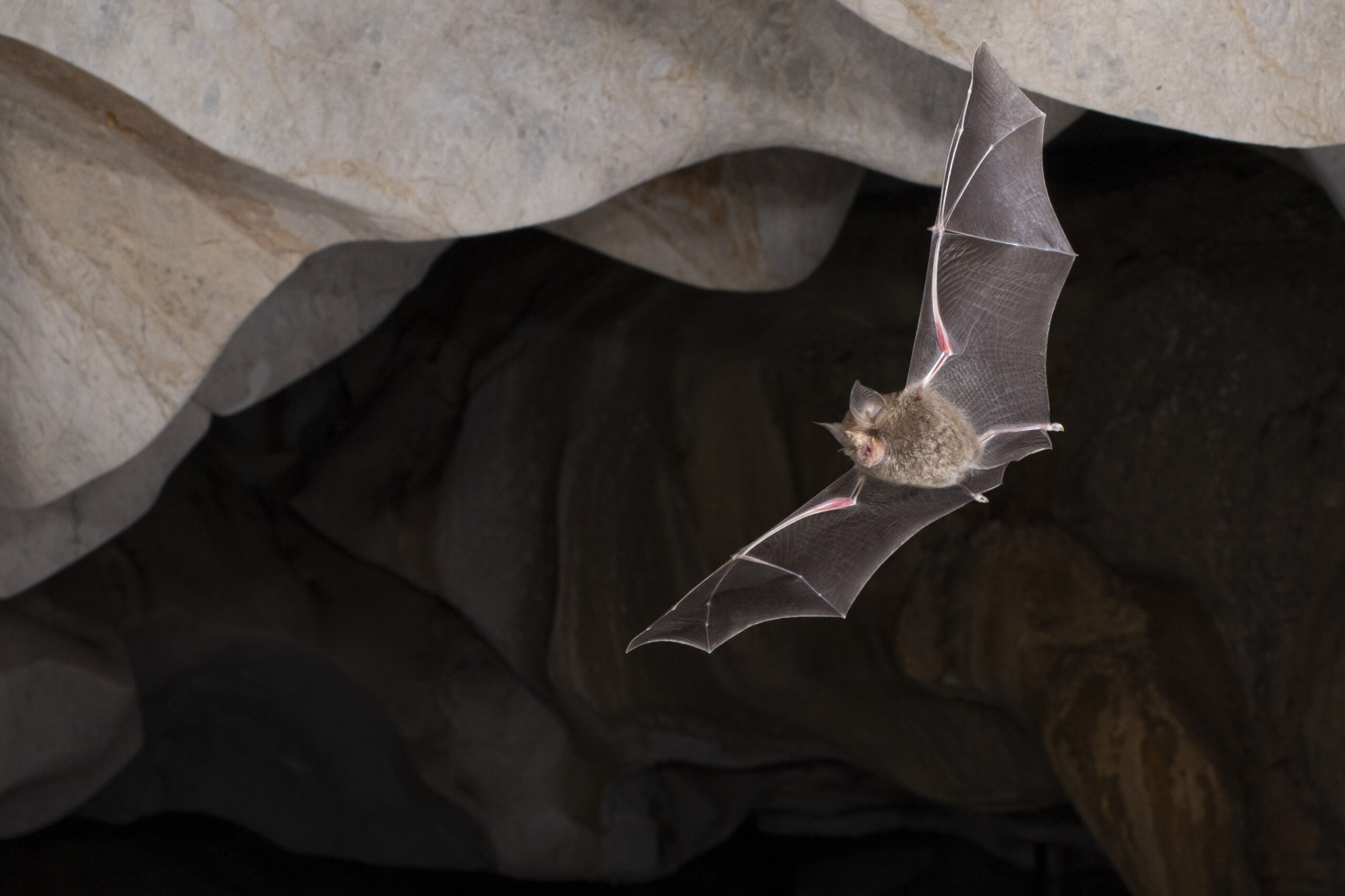
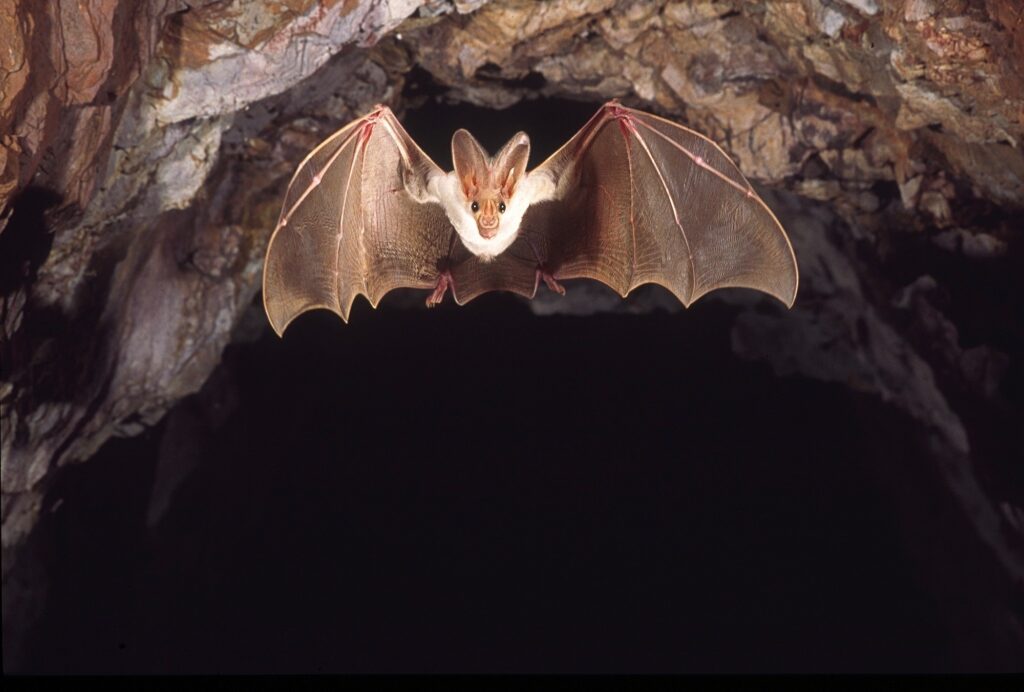
These caves harbour an impressive and diverse fauna, including four endangered bat species, endemic insects and the remarkable Australian Swiftlet.
Given the unusual chemistry of the soils atop the limestone, the flora of the area has some exceptional conservation values including a recently recognised endangered rainforest regional ecosystem and at least eight threatened or near threatened plant species.
Conservation Highlights
One of the main features of Alkoomie is its geological diversity, ranging from the flat-lying Laura Sandstone of the Dickson Range through to the highly deformed metasediments of the Hodgkinson Formation.
Within these metamorphic rocks are several limestone karsts, the most prominent of which is Melody Rocks. These karsts are riddled with caves, some containing some spectacular rock art. At least one small cave shows evidence of post-contact occupation with a spear tip made from the remains of a glass bottle.