Dirrans End
- Acquired:
- 2014
- Area:
- 80 ha
- Bioregion:
- Wet Tropics
- Habitat:
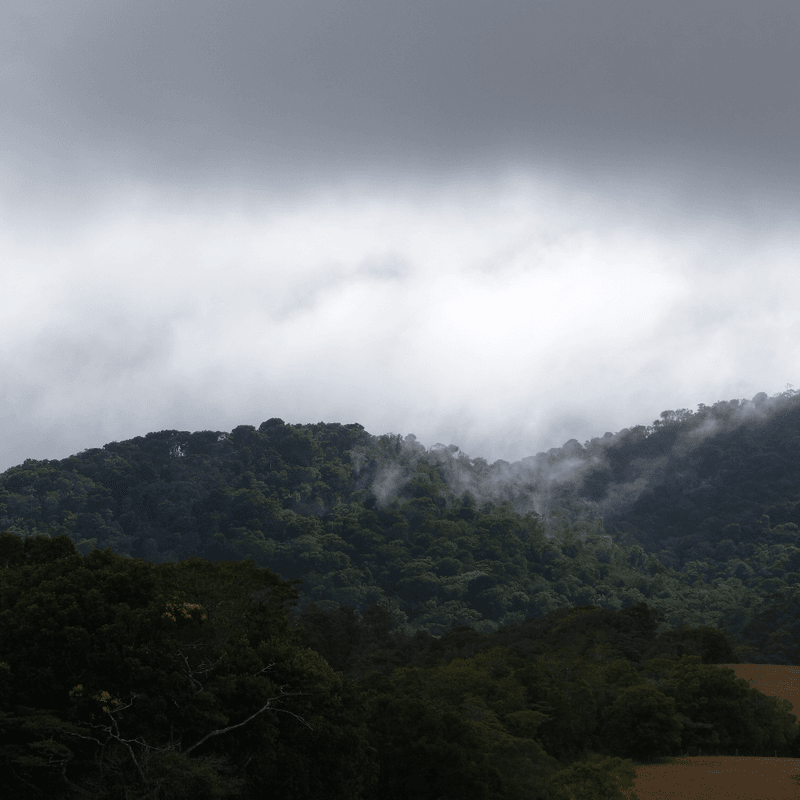
- Endangered high-altitude rainforest on basalt
- Threatened Ecological Communities:
- 1
- Threatened and Near-Threatened Species:
- 25
Reserve overview
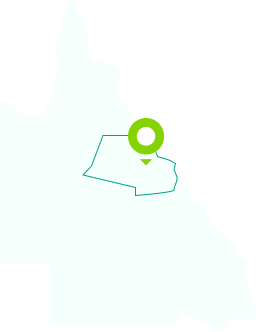
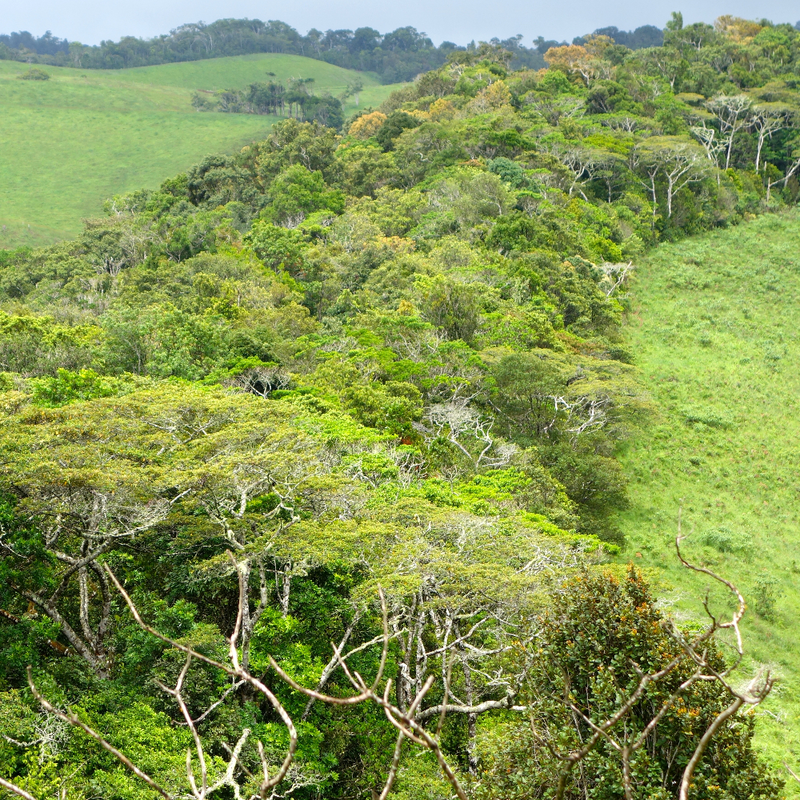
Dirrans End is an 80-hectare property directly adjoining the Herberton Range National Park section of the Wet Tropics World Heritage Area. Endeavour Conservation purchased the property in early 2014 to help secure the completion of the state-significant Rock Road Wildlife Corridor.
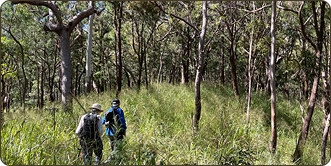
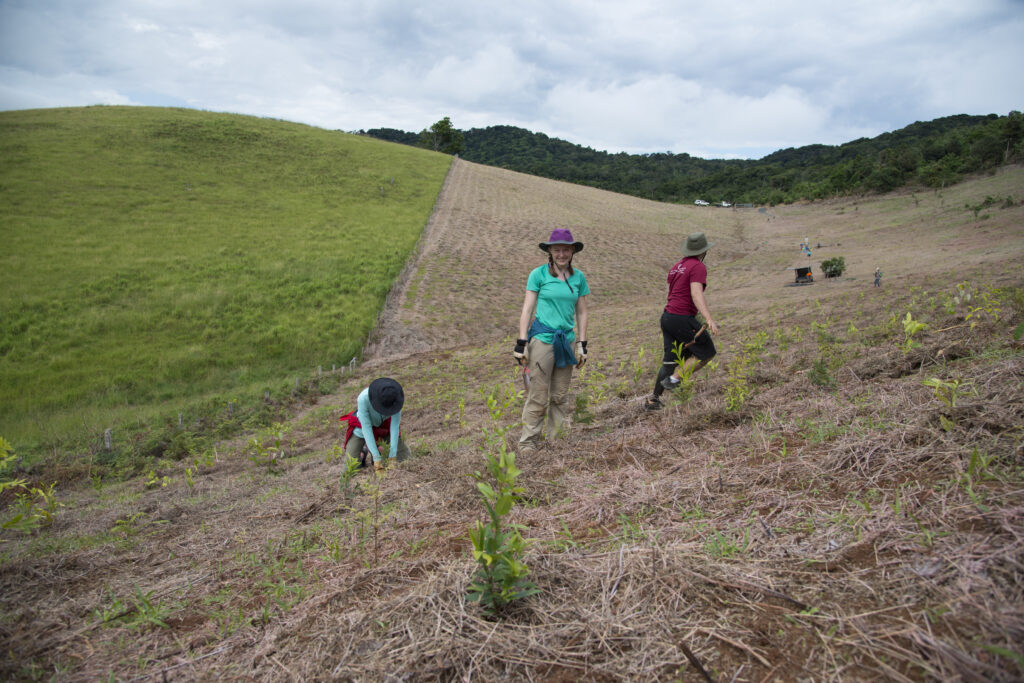
At the time of purchase, Dirrans End contained 40 hectares of world heritage-quality remnant high-altitude rainforest, a small area of replanted rainforest, and almost 40 hectares of pastureland. By 2024, all but 7 hectares of the previously cleared land had been restored with rainforest species, with the remaining area scheduled for revegetation in the coming years.
The Rock Road Wildlife Corridor is the most ambitious rainforest restoration project ever attempted on the Atherton Tablelands. It joins the largest rainforest remnants on the Tablelands, the Hypipamee Outlier, to the Wet Tropics World Heritage Area. The Outlier consists of almost 1000 hectares of endangered high-altitude rainforest on basalt.
protecting wildlife, sustaining life
Species and Habitats
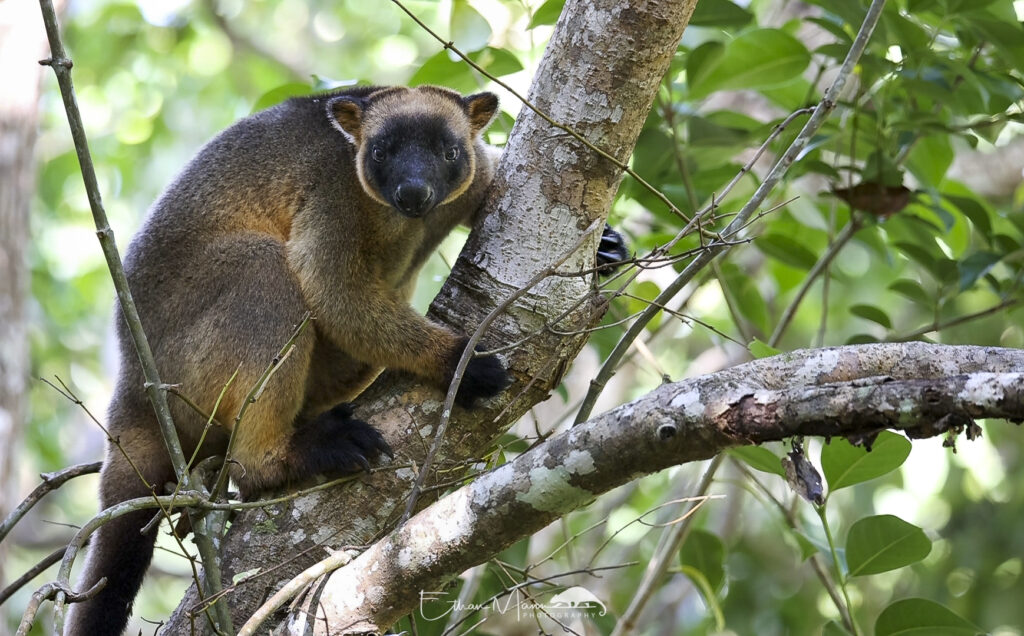
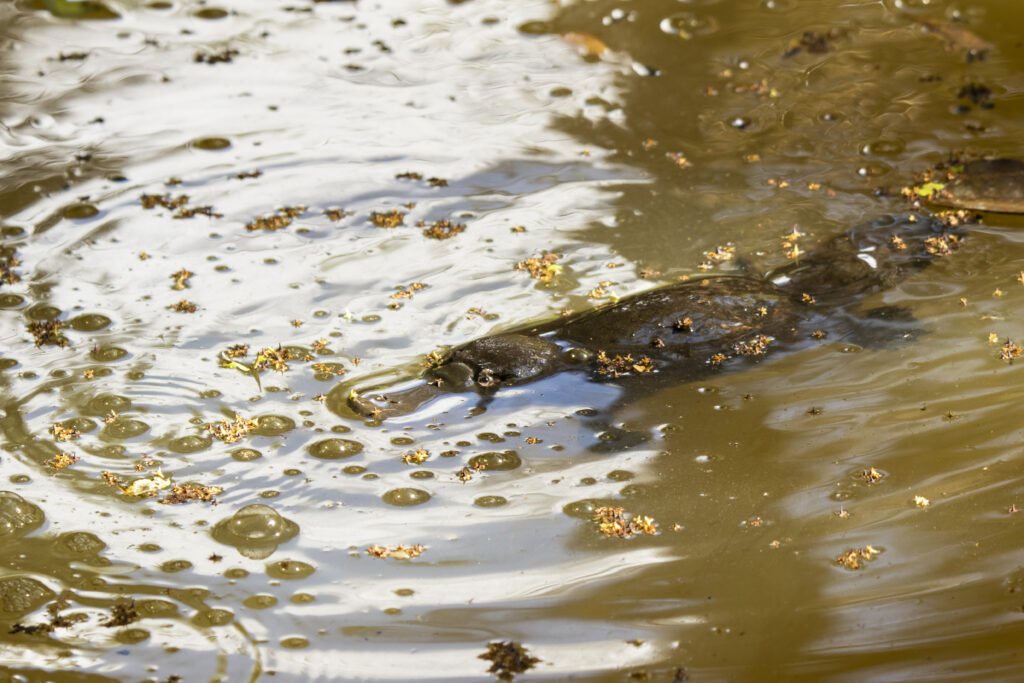
The endangered rainforest at Dirrans End is home to a remarkable variety of plants, mammals, birds, and amphibians, many of which are endemic to the high-altitude rainforests and hold national conservation significance. The area supports several threatened and near-threatened species, including the Southern Cassowary, tube-nosed insectivorous bat, Spectacled Flying Fox, Grey-headed Flying Fox, Lemuroid Ringtail Possum, Green Ringtail Possum, Lumholtz’s Tree Kangaroo, Golden Bowerbird, and Victoria’s Riflebird.
Conservation Hightlights
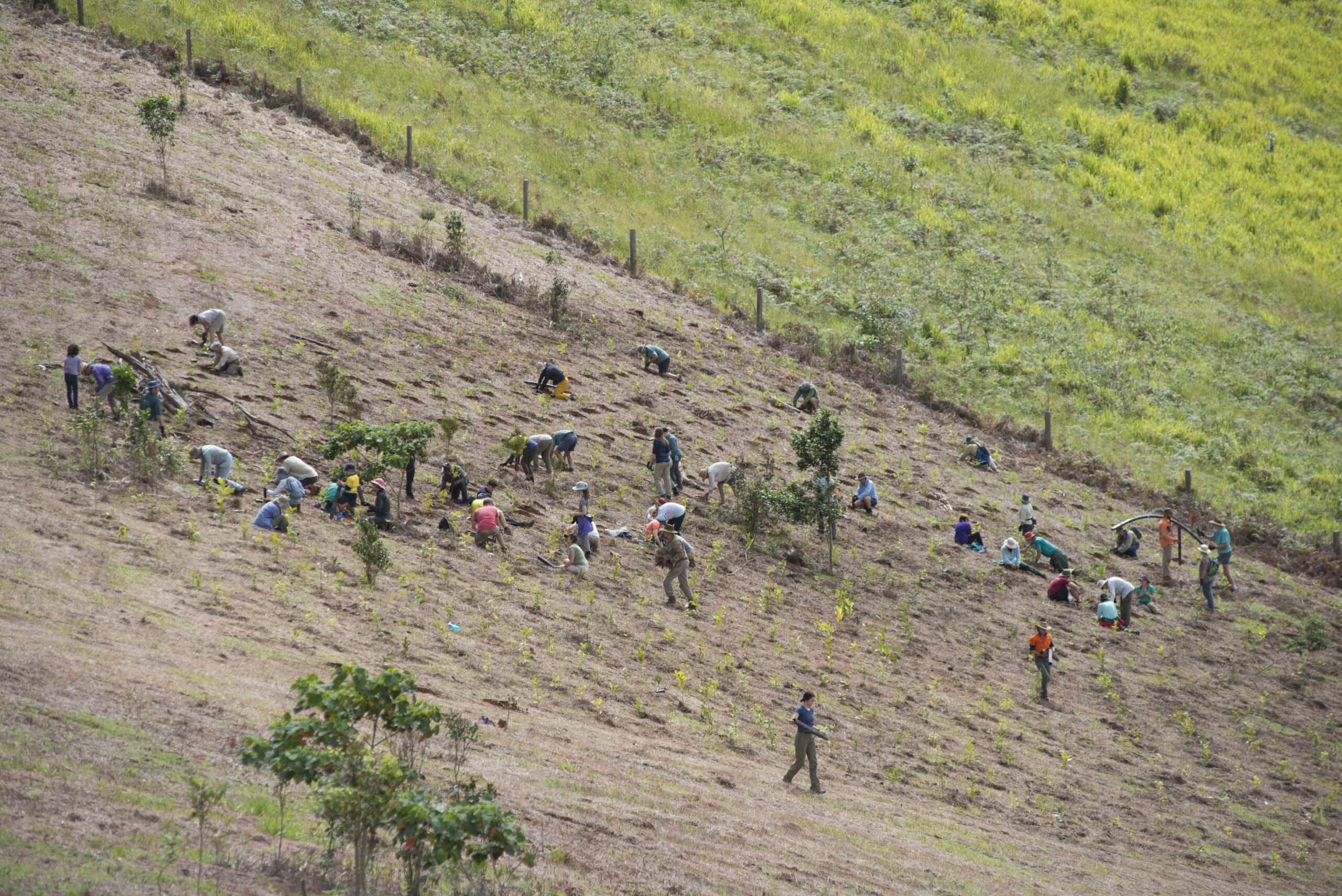
To date more than 110, 000 trees have been planted on Dirrans End. These plantings have been the result of working with a grand coalition of local partners. We have been very fortunate to be the beneficiary of the experience that our partners who, over the past 30 years, have built up a wealth of knowledge as to how to restore Wet Tropics pastureland back quickly and effectively to rainforest. Our partners in these projects include community groups TREAT and the Tree Kangaroo and Mammal Group, NQ Land Management Services, and the Wet Tropics Management Authority, with funding support from the Queensland and Australian Governments. In addition, we are very grateful for the support of Ergon Energy who erected the possum bridge integral to the project over a local road.
By the time the Rock Road Wildlife Corridor is completed in 2030 we will have planted around 300, 000 rainforest trees over 90 hectares to create a wildlife corridor almost 2 km long and around 800m wide.