
Yantabulla
Where we work / Mulga Lands / Yantabulla
- Acquired:
- 2015
- Area:
- 18,000 ha
- Bioregion:
- Mulga Lands
- Habitat:
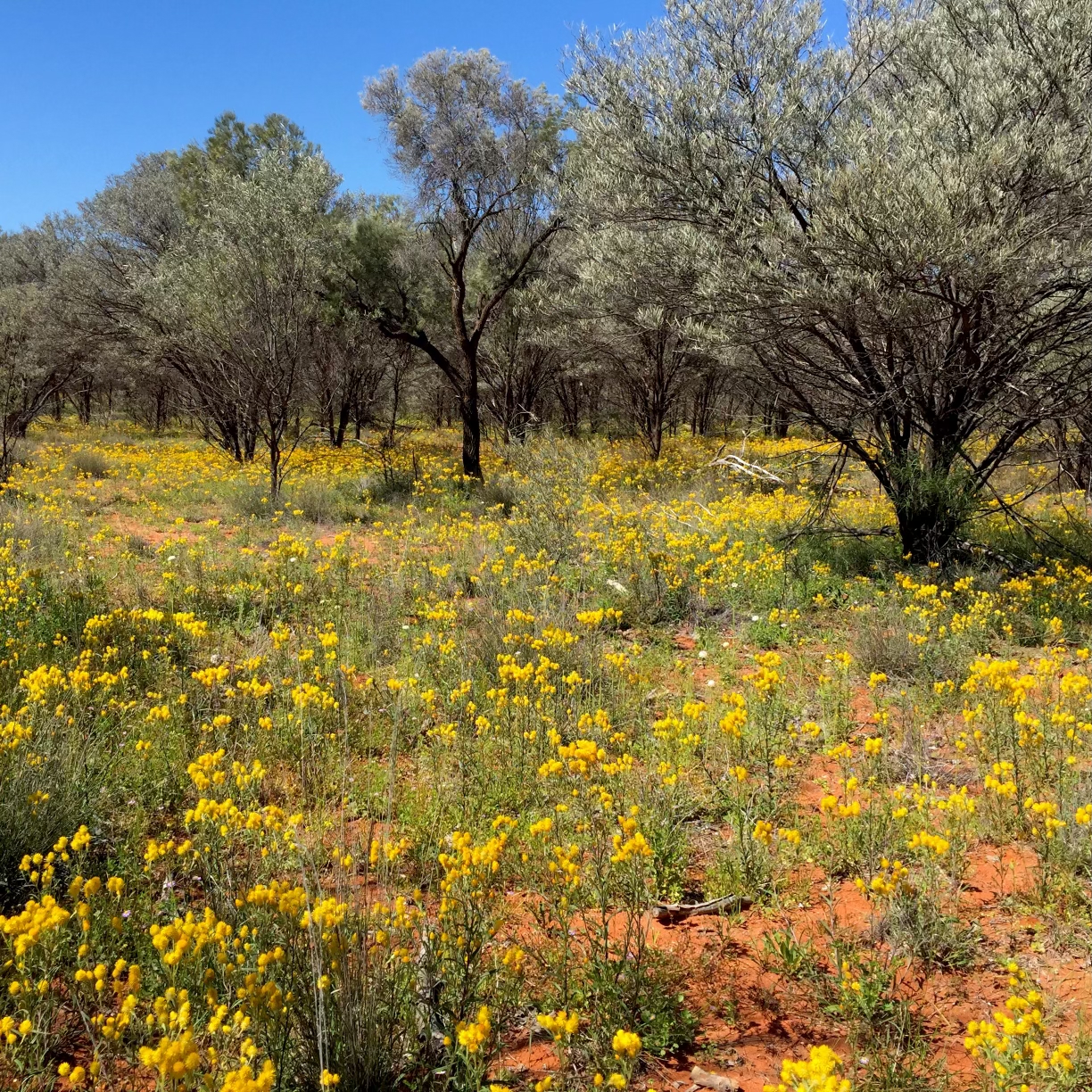
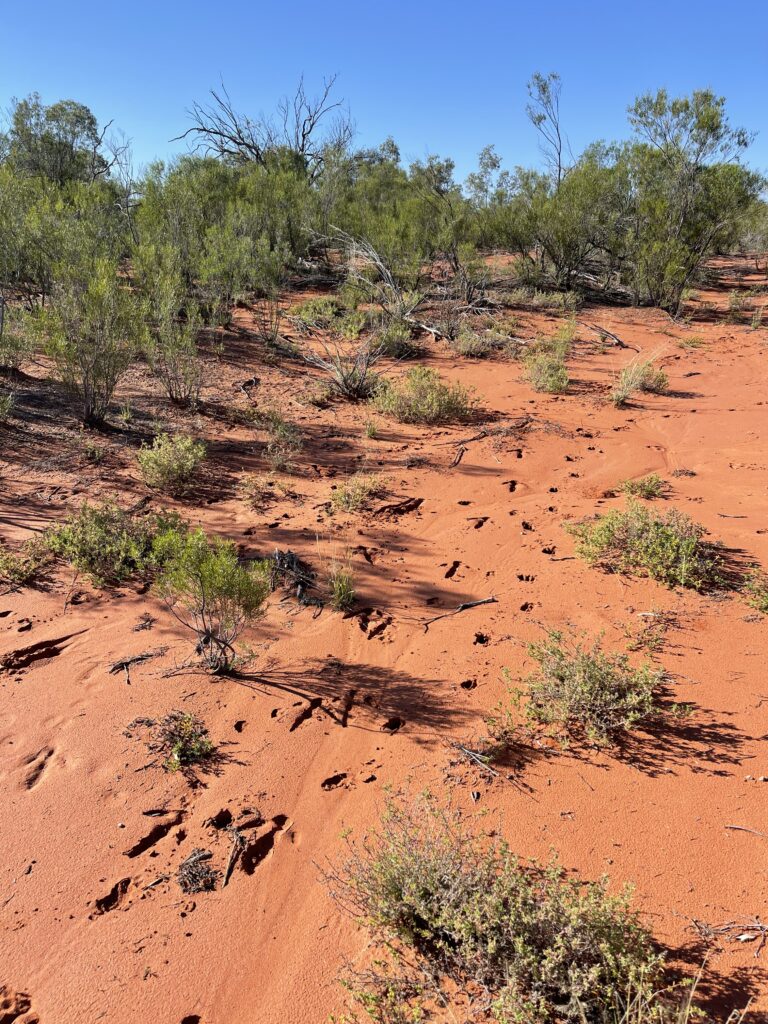
- Lignum swamp, dry sandy Mulga country
- Threatened Ecological Communities:
- 2
- Threatened and Near-Threatened Species:
- 13
Reserve overview
Endeavour Conservation purchased Yantabulla early in 2015 to protect its nationally significant water bird breeding areas and to build on the great work done by Bush Heritage on its neighbouring reserve, Naree. Yantabulla Swamp and its backwaters are one of the most important water bird breeding areas in the Murray Darling Basin
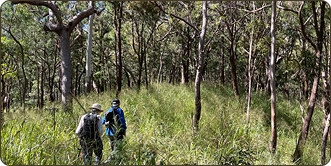
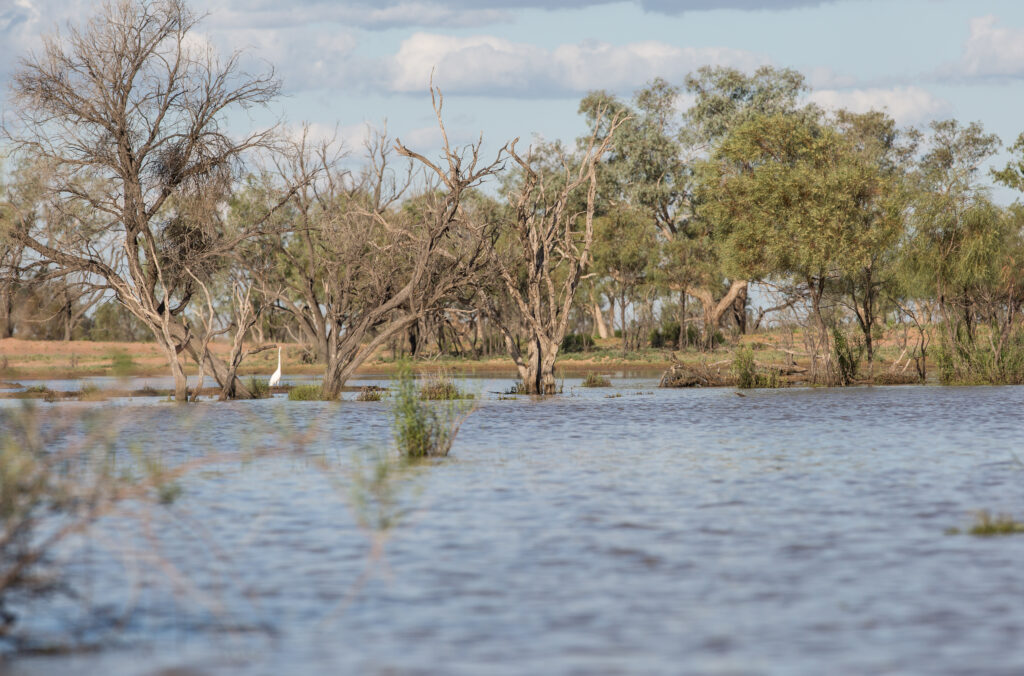
The station covers 18,000 hectares, located 160 km north-west of Bourke. It includes a vast inland delta where Cuttaburra Creek brings floodwaters from far north in Queensland and empties into Yantabulla Swamp. The landscape is a maze of lignum swamp, small sandy islands, and eucalypt woodland.
Protecting WILDLIFE, Sustaining Life
Species and Habitats
While, at first glance, the country might appear to lack the diversity of the coastal forests far to the east, nothing could be further from the truth. Recent botanical mapping by Dr John Hunter has revealed an intricate mosaic of at least sixteen different vegetation communities on Yantabulla, with at least 350 plant species.
The diversity of the fauna is no less spectacular with over 180 bird species. While no systematic mammal survey has yet been done on Yantabulla, three mammals listed as vulnerable have been found:
- The striped-faced dunnart,
- The sandy inland mouse, and
- The little pied bat.
Conservation Highlights
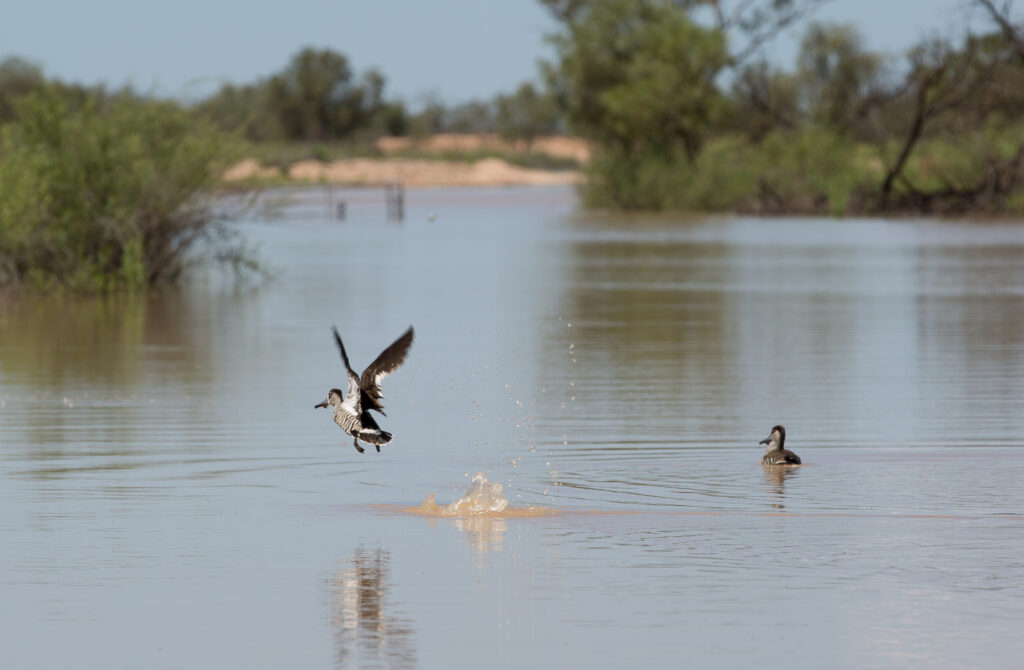
Yantabulla Swamp, described by the NSW National Parks and Wildlife Service as one of Australia’s most important wetlands and an internationally recognised Important Bird Area, hosts thousands of migratory shorebirds and up to 50,000 waterbirds, including threatened species like freckled ducks, pink-eared ducks, grey teals, and night herons. The swamp is in excellent ecological condition, largely unaffected by upstream water resource development.
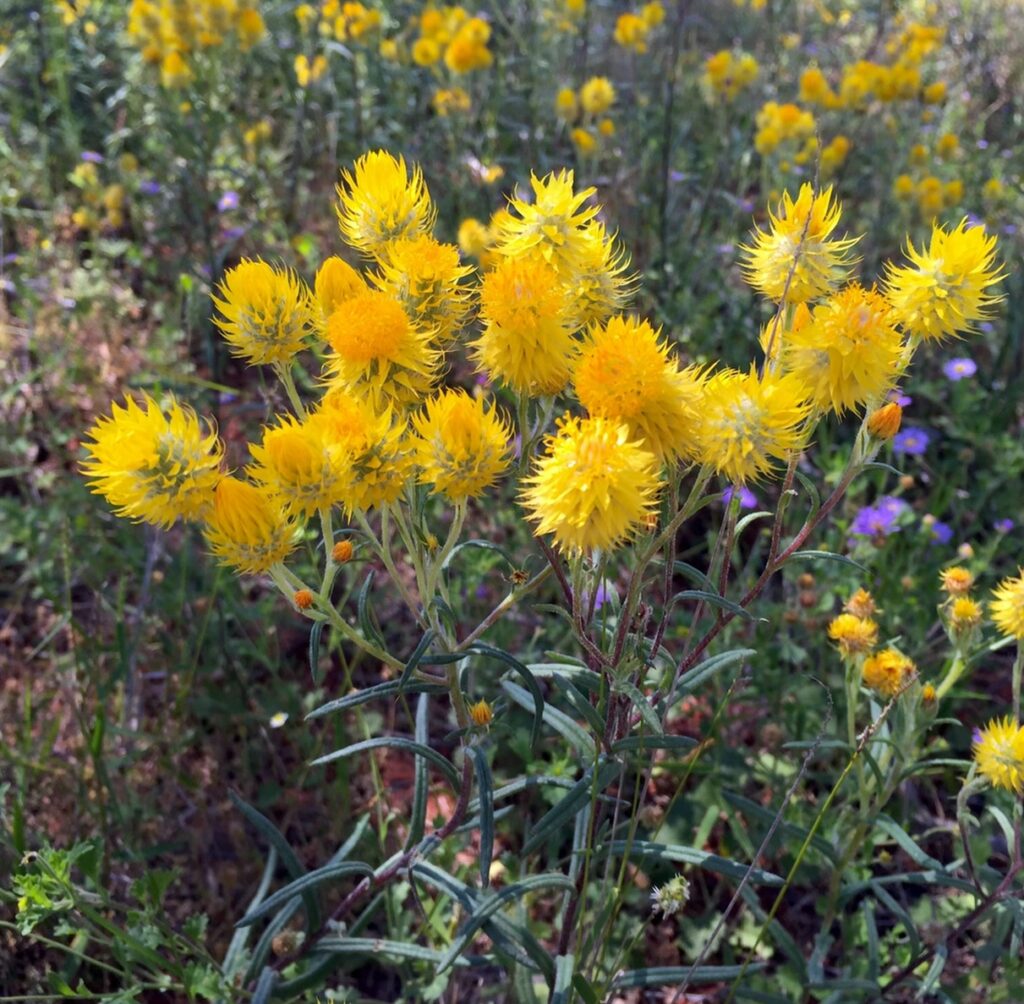
Surrounding the swamp are mulga lands, iconic of the Australian outback, where emus and all three great kangaroo species—big reds, western greys, and eastern greys—are abundant. After rain, these lands burst into a vibrant display of flowers, and when floods occur, tens of thousands of waterbirds flock to breed in newly flooded areas like Back Creek Swamp and Yantabulla Swamp.
