
Our
Approach
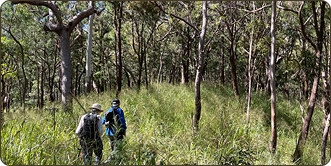
Our primary objective is to make the greatest possible contribution to nature conservation that we can, which often means doing things that other can not or will not do.

the challenge
Restoring Habitats and Saving Species
Australia’s conservation challenges are so significant, that no single organisation can tackle these on its own.
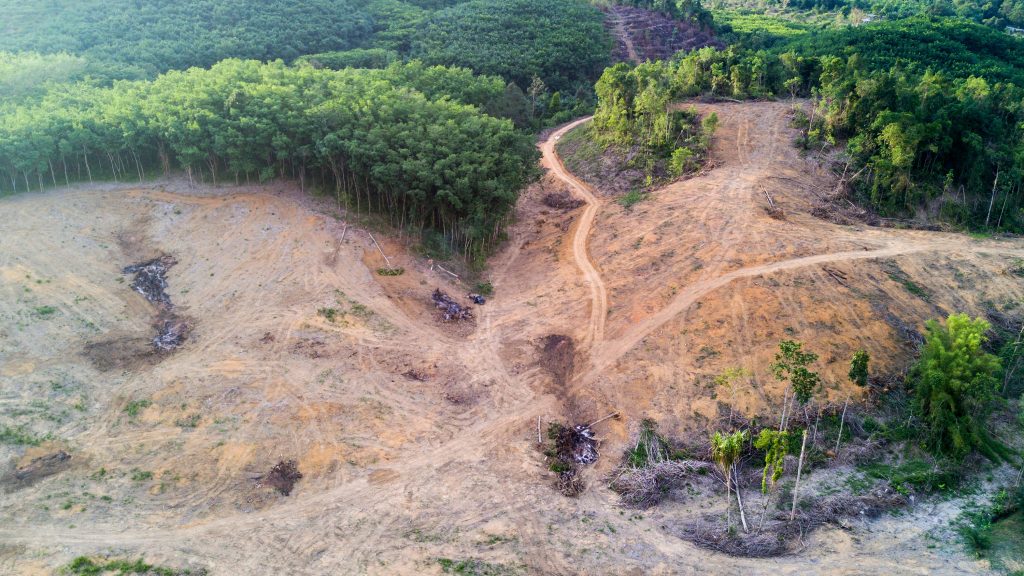
Working alongside government and private partners, the objectives are to expand existing conservation areas and reconnect fragmented habitats. This establishes biodiversity corridors, which allow for species movement and create more resilient landscapes.
Habitat Management
Targeted, Efficient Land Stewardship
Our major management focuses are: weed control, flood management, reducing feral animal numbers and using fire as a tool to maintain appropriate diversity and resilience.
We tend to cluster our reserves within specific geographic areas to encourage efficiency in management and that we try to buy properties where the management requirements are known and preferably are limited.
Bold Moves for Nature
Our work has 6 major components
Strategic land buying
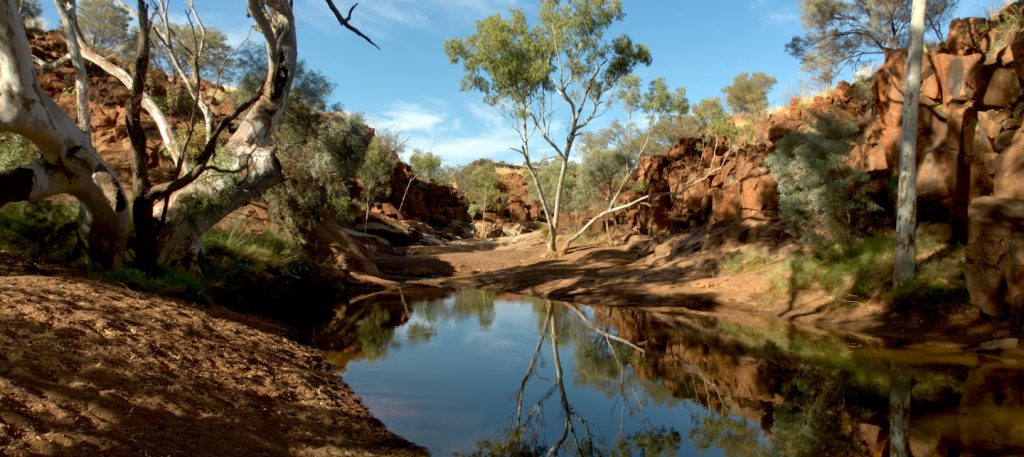
Through strategic land investment, we restore habitats and create wildlife corridors that support species movement and strengthen ecosystem resilience across landscapes.
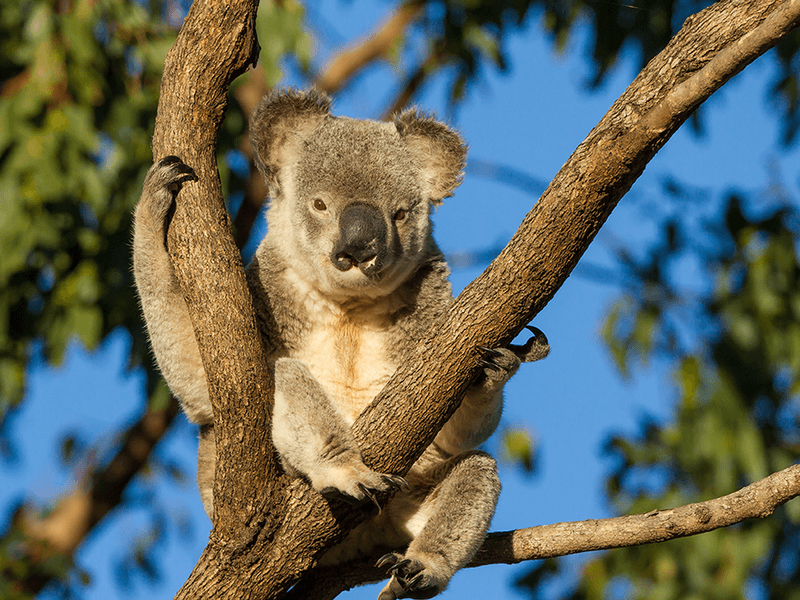
Building wildlife corridors
Our reserves go beyond land acquisition — they link fragmented landscapes, enabling wildlife movement and supporting genetic diversity. Through careful planning and habitat restoration, we create lasting conservation connectivity.
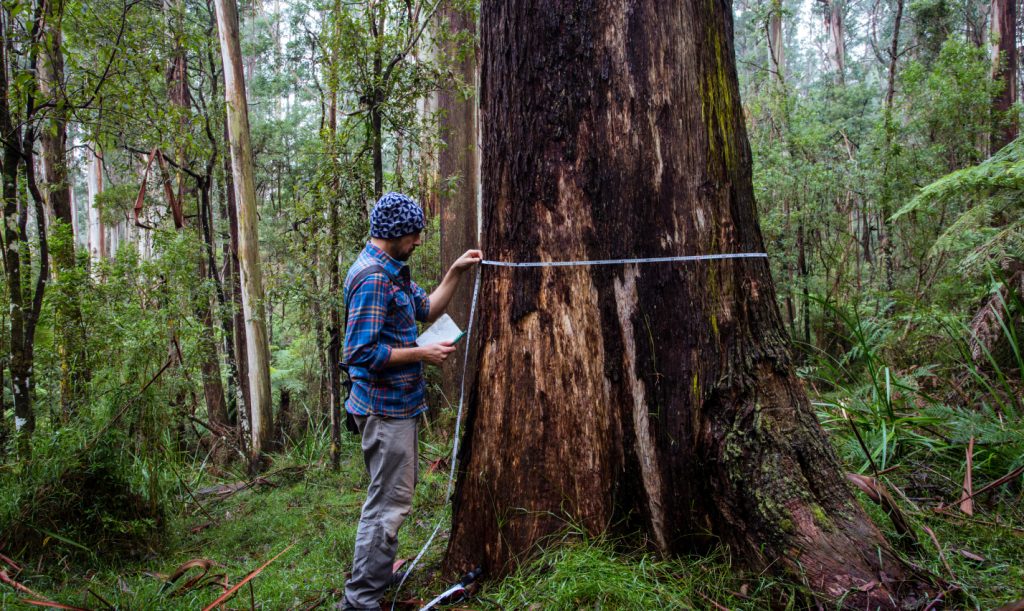
Conservation science
We ground our conservation in environmental science to maximise impact. Our ecologists and field teams collaborate with researchers, partners, and landholders to share knowledge and build capacity.
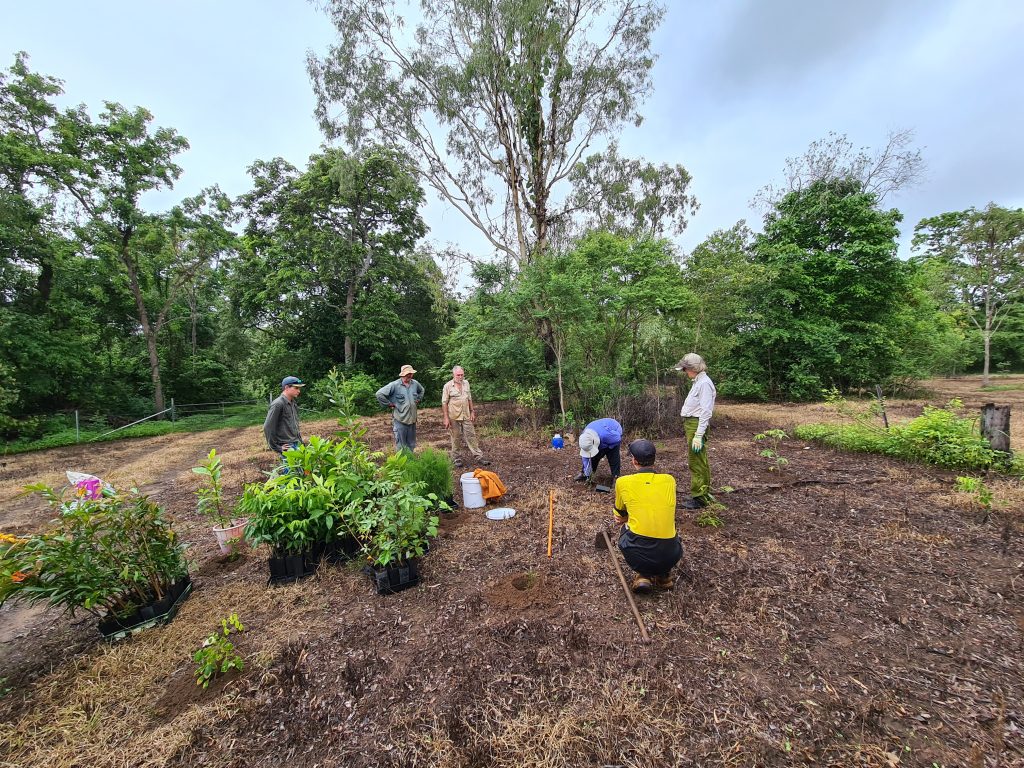
Land restoration
We support land restoration through targeted actions like reforestation and habitat rehabilitation. By promoting sustainable land management, we help conserve biodiversity and build ecosystem resilience.
Targeted research
We rely on targeted surveys, research, and monitoring to guide our decisions. Data-driven insights into biodiversity and habitat health shape our strategies and ensure effective conservation.
Collaborations
Our partners strengthen our work by bringing scientific expertise and practical insight. Together, we advance research and practices that amplify our impact and support biodiversity conservation.
Landscapes
impact in action
Locally Driven Ecological Gains
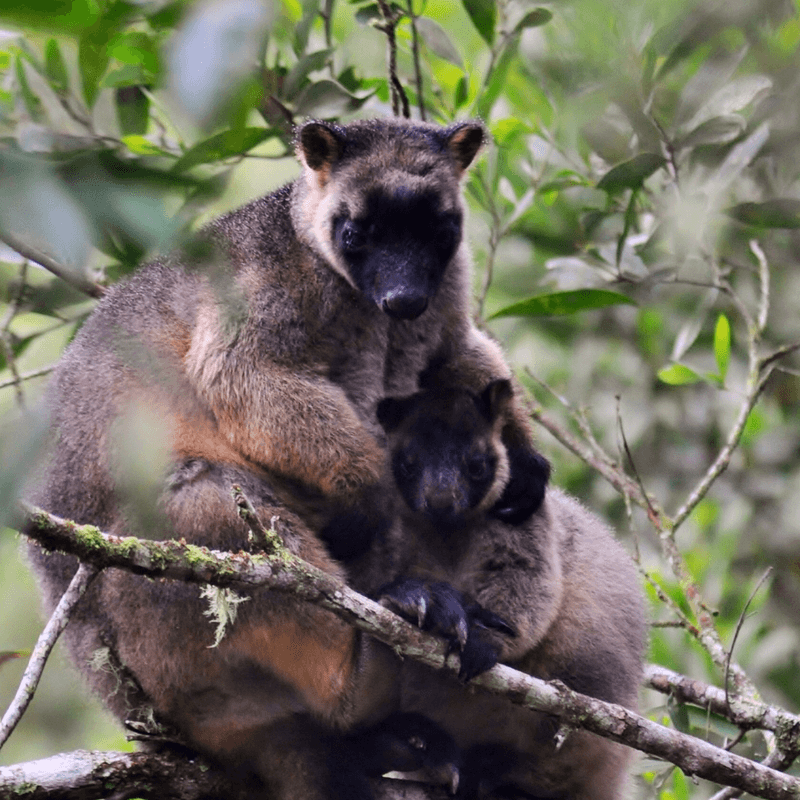
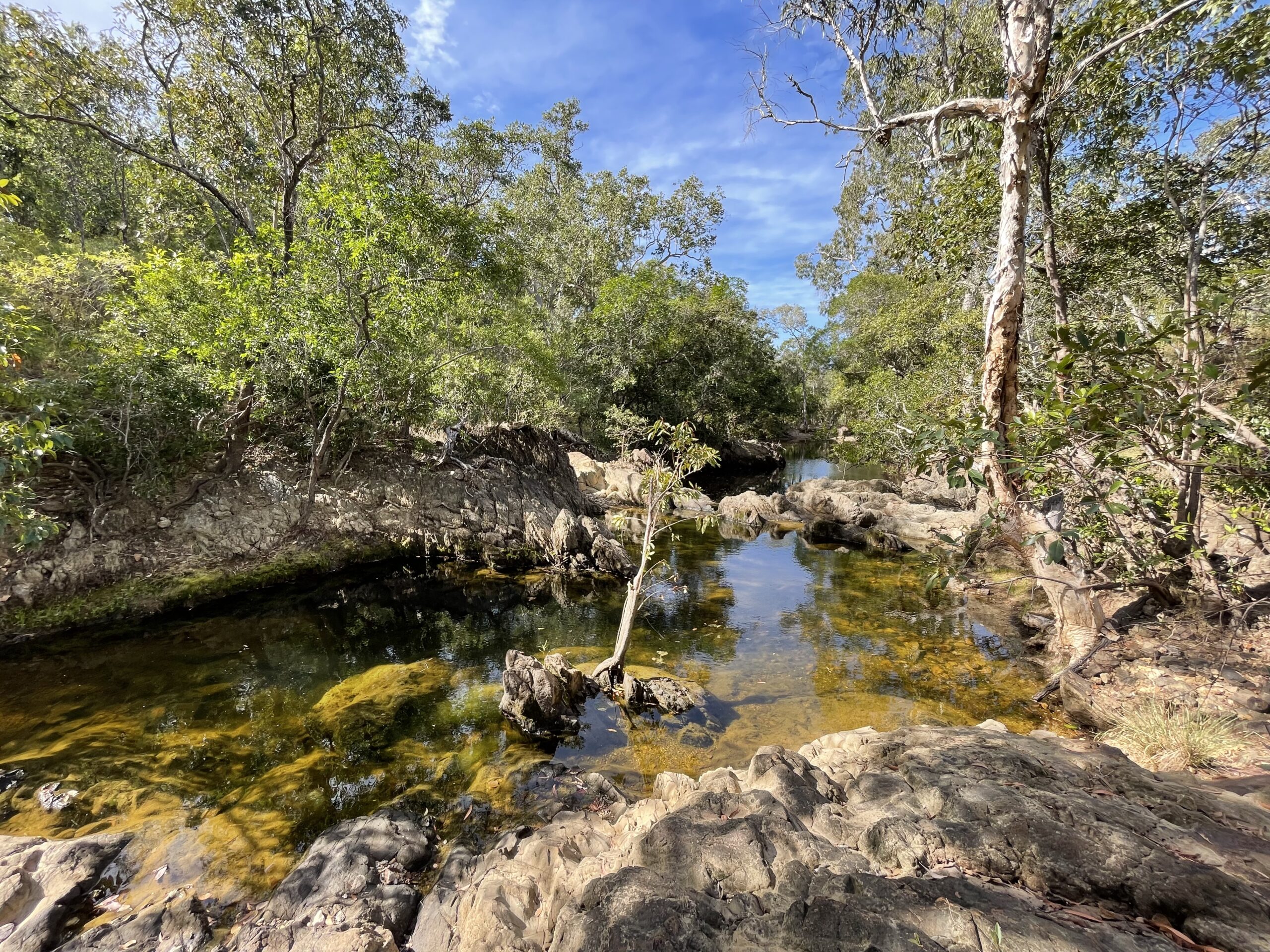
Our major achievements include creating a significant wildlife corridor between the Wet Tropics World Heritage Area and the future Cape York World Heritage Area, reconnecting key sections of the Wet Tropics and other endangered rainforest remnants on the Atherton Tablelands, and protecting a crucial waterbird breeding habitat in the Murray Darling Basin. We have also safeguarded the northern edge of the Windsor Tableland, an essential climate change refuge in the Wet Tropics and home to endangered species like the Spotted-tail Quoll, Greater Glider, and Yellow-bellied Glider. Additionally, we protect critical habitats for the isolated North Coast Emu population in NSW and provide cooler high-altitude refuges for climate-threatened species on the Atherton Tablelands, including the critically endangered Lemuroid Ringtail Possum.
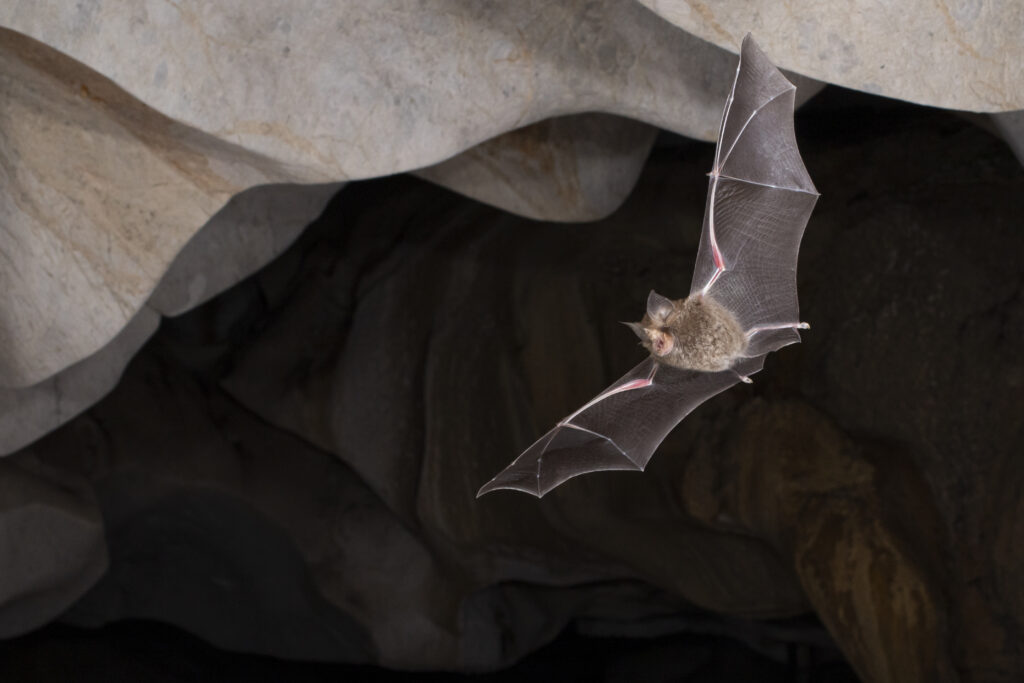
We are the largest tree planters on the Atherton Tablelands, demonstrating large-scale rainforest restoration. Our efforts extend to protecting various threatened ecosystems and species in the Australian Alps and leading research into threatened bat species on Cape York. We have preserved one of the largest remaining stands of endangered Semi-Evergreen Vine Thicket in NSW and protected over 7 000ha of Koala habitat across a diverse geographic and climatic range. By complementing the public reserve system in NSW, we create larger contiguous protected areas than the public system alone, safeguarding habitats for a wide range of threatened ecosystems and species in northern NSW.
Species
we protect.

Our Socials
Follow us on Instagram
How you can help.
Every dollar helps us protect some of the largest remaining populations of iconic Australian habitat and its species.